James Hardie Site Prep & Utilities: The Los Angeles Owner’s Guide
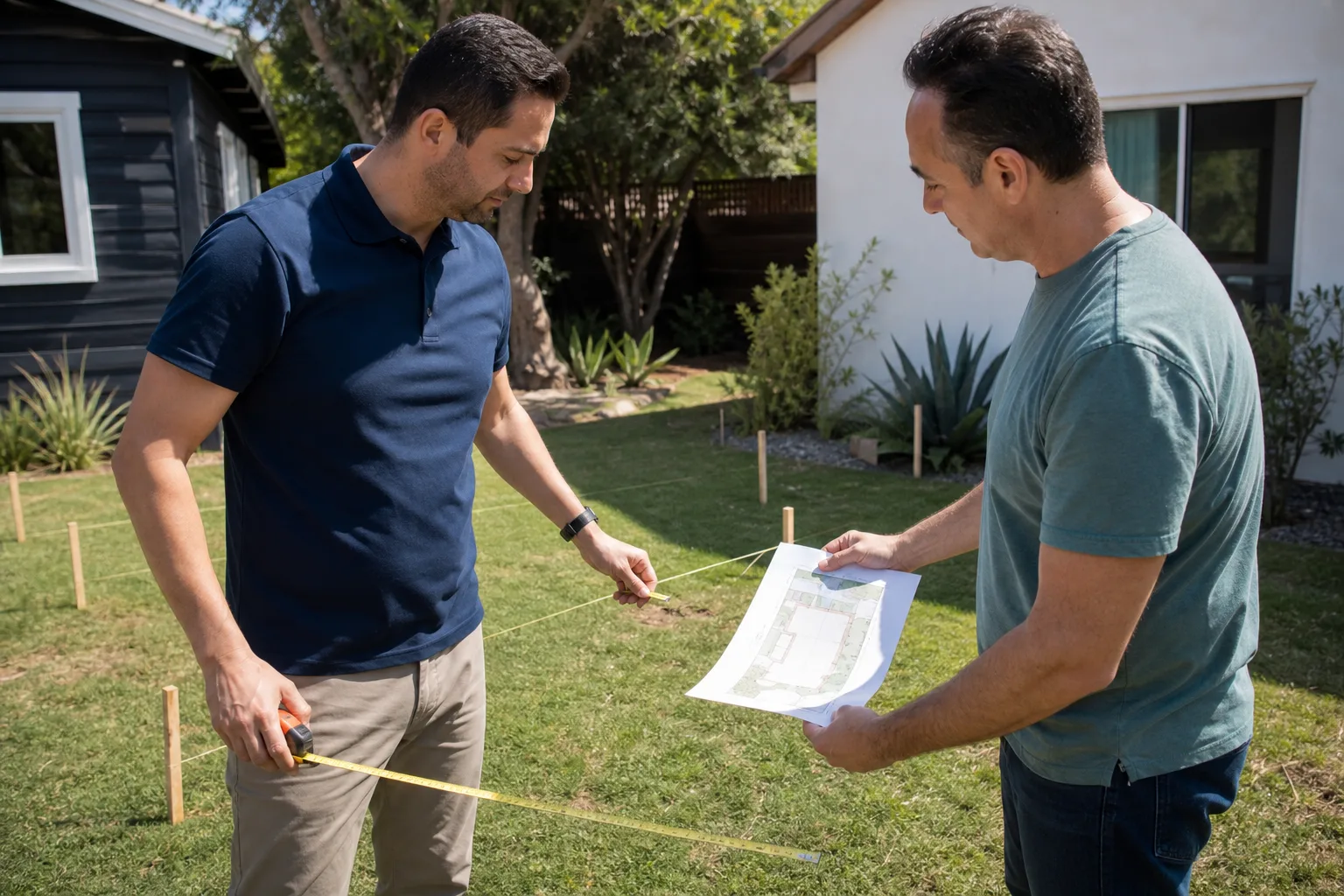
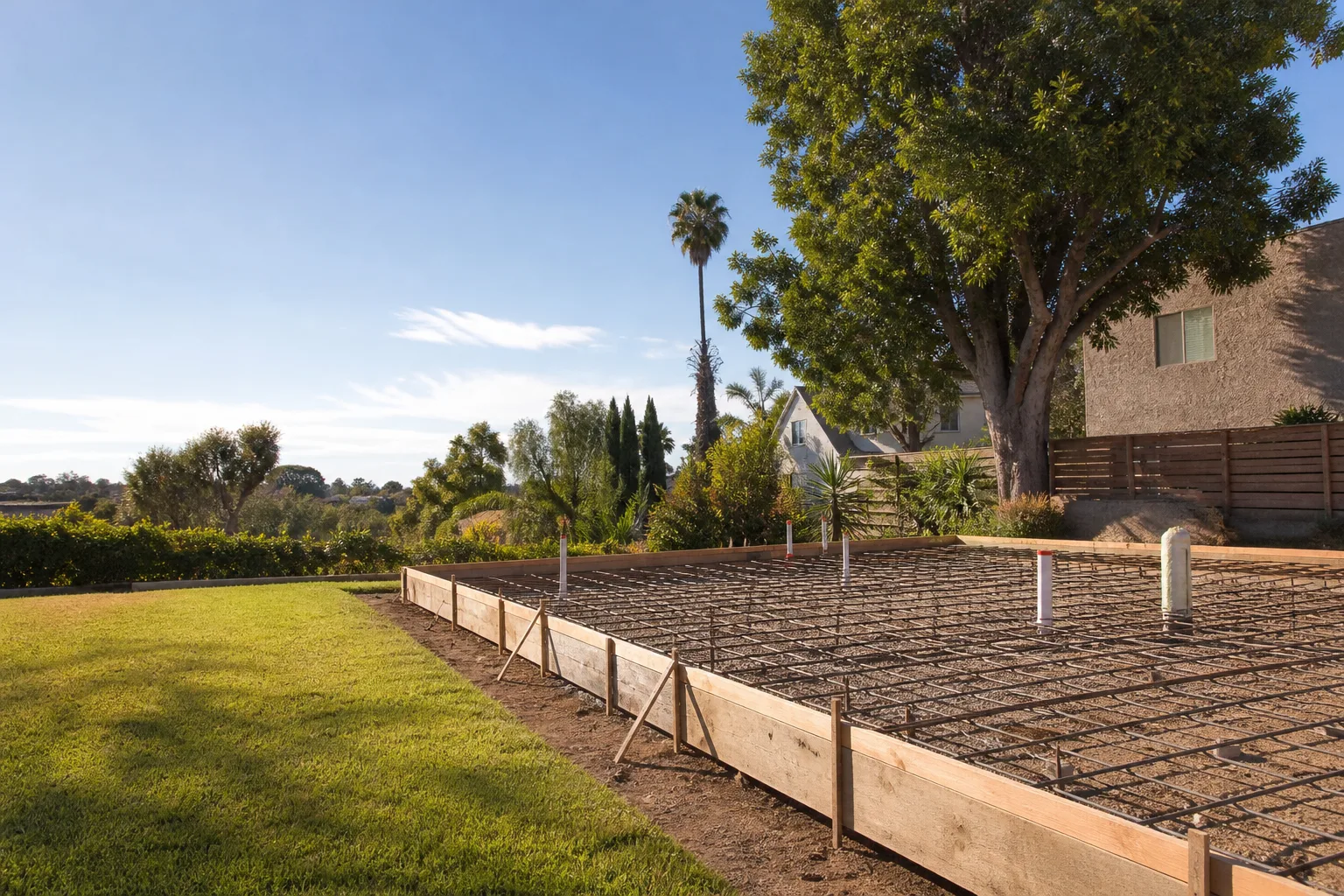
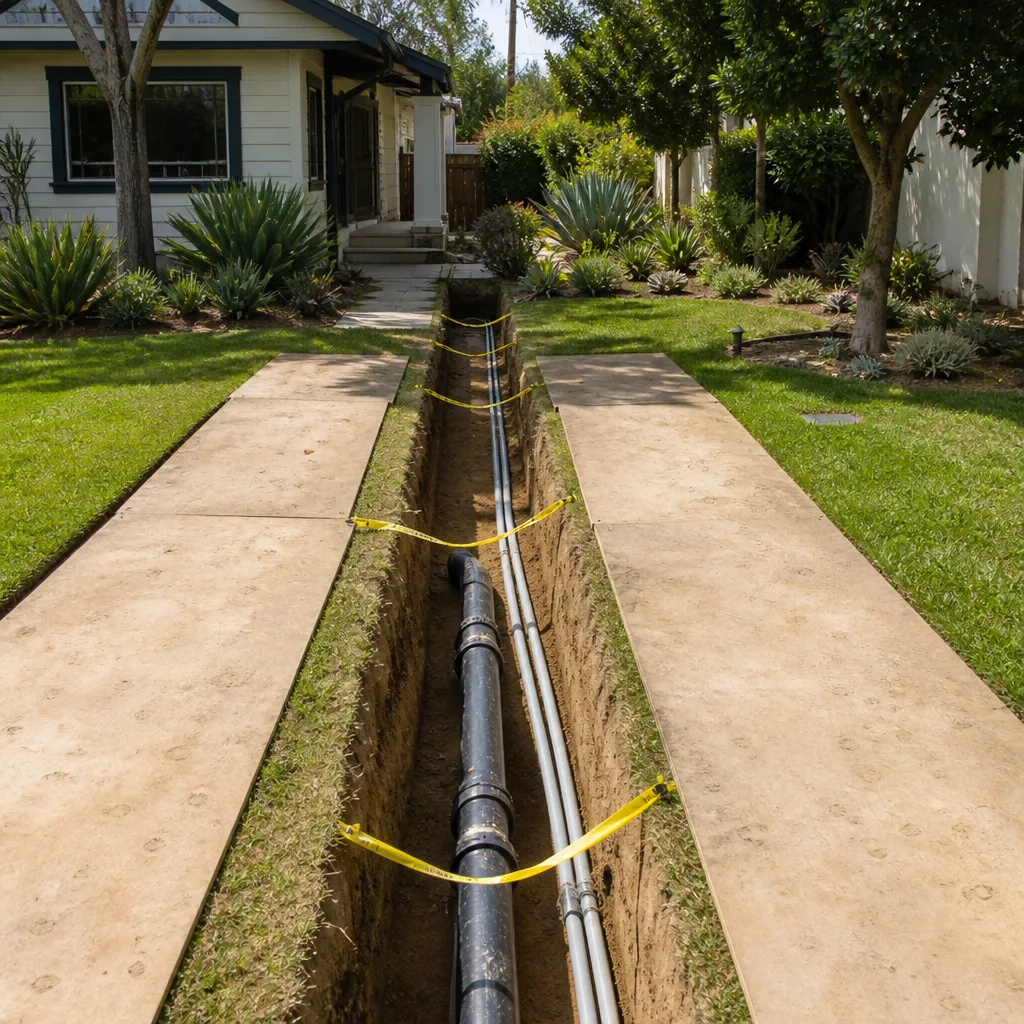
Site prep and utility rough-in for a James Hardie-clad structure in Los Angeles typically runs $12,000 to $38,000 depending on lot conditions, trenching distance, and whether you’re tying into existing sewer or adding new service lines. We stock the common James Hardie trim, flashing, and weather-barrier components on our trucks, and most utility layouts get priced within 48 hours of a site visit. You’ll usually discover a problem here the hard way: a foundation form that doesn’t pass inspection because the setback was measured wrong, a downspout draining into your neighbor’s yard, or a trench that cut through an old irrigation line nobody mapped.
This page covers what actually goes wrong with James Hardie site prep and the utilities that run beneath it, what it costs to fix in LA, and when you should absolutely not pick up a shovel yourself.
Key Takeaways
- Site prep for James Hardie exterior systems in Los Angeles typically costs $12,000 to $38,000, with utility trenching usually $85 to $140 per linear foot.
- HardiePanel and HardiePlank both require specific clearance from grade (usually 6 inches minimum, more on sloped LA hillside lots) and proper weep screed detailing, and most failures trace back to skipped flashing or wrong clearance.
- When utility lines run under a planned addition or ADU, calling 811 (DigAlert in Los Angeles County) is free and legally required before any trenching.
- We’re an independent contractor, not affiliated with James Hardie, and we stock factory-spec flashing, trim, and sealant on the truck for most Los Angeles job sites.
Which James Hardie Models This Applies To
Site prep and utility work applies across the James Hardie product lines commonly installed on Los Angeles ADUs and additions: HardiePlank lap siding, HardiePanel vertical siding, HardieTrim boards, HardieSoffit, and the HardieBacker underlayment used behind tile. The compatibility gotcha most LA homeowners hit is this: HardiePanel and HardieTrim come in specific widths and thicknesses, and the clearance from finished grade (the dirt or concrete below your wall) has to match the product’s installation spec or the warranty is void. If you’re not sure what you have, look at the back of a cut piece or check the builder’s invoice from the original project. The product name is printed right on the board.
For the OEM-versus-aftermarket decision: factory James Hardie flashing and trim are milled to match the plank profile exactly. Aftermarket flashing from a big-box store might be cheaper by a few dollars per stick, but when it doesn’t sit flush against a HardiePlank lap joint, water finds the gap and you’re redoing the wall in three years. We specify factory parts on James Hardie projects for that reason. For utility rough-in, we spec Schedule 40 PVC for sewer and PEX-A for water supply, sized to Los Angeles Department of Building and Safety code, which is stricter on trench depth and backfill material than most surrounding counties.
Signs Your James Hardie Site Prep & Utilities Is Failing
- Water stains or efflorescence crawling up the bottom of your siding. This usually means the clearance from grade is too tight or weep screed was skipped. Water is wicking up from the soil, and HardiePlank will eventually swell and delaminate at the bottom edge if it sits in moisture.
- A slow drain in the new ADU that backs up after heavy rain. In Los Angeles, older clay sewer lines can crack under the weight of new construction. If your new addition’s drain was tied into a 70-year-old clay lateral without a camera inspection first, roots or shifting soil may have already compromised the connection.
- Cracks in the foundation slab or the first course of HardiePanel, usually diagonal from a corner. Utilities trenched too close to the footing can undermine the bearing soil. On LA’s expansive clay soils, especially in the San Fernando Valley, that movement shows up fast.
- Downspout dumping water against the foundation or onto the property line. Site grading matters more than most homeowners expect. A James Hardie wall assembly can be installed perfectly, and a badly graded lot will still push water into it. LA code requires drainage to be directed away from the structure, not toward a neighbor’s lot.
- Gas meter or electrical panel located where the new wall needs to go. Utility relocation isn’t a failure of the siding, but it’s the most common site-prep surprise on tight Los Angeles lots where the side yard is only three or four feet wide. Relocating a meter after framing starts is far more expensive than flagging it during site walk.
Replacement Cost & What’s Included
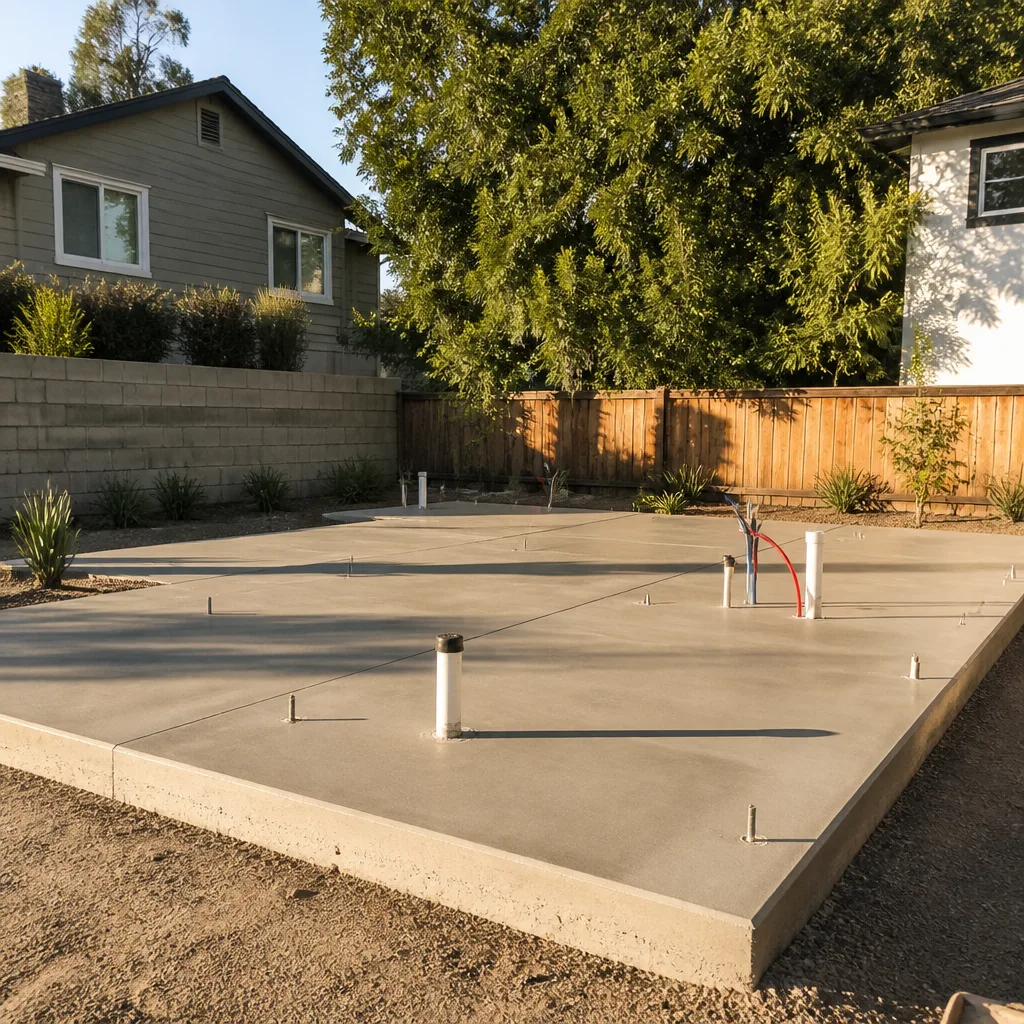
For James Hardie-specific site prep and utility work in Los Angeles, expect to pay $12,000 to $38,000 for a full scope that includes grading, trenching, utility tie-ins, and the weather barrier plus flashing details that protect the siding system. If you’re only replacing failed flashing or redoing the bottom courses of HardiePlank where ground clearance was wrong, that repair sits between $1,800 and $6,500 depending on how much siding has to come off and whether the underlying sheathing is still sound. Utility trenching itself runs $85 to $140 per linear foot in LA, with the higher end common on hillside lots in Echo Park or Silver Lake where we’re digging through decomposed granite.
Every quote from us is a written, line-item price delivered before any work starts. That price covers the parts, the labor, the permit coordination, and the inspection if one is required. It doesn’t change unless you change the scope. The 365-Day Done Right Promise covers defects in workmanship for one full calendar year from project completion, and if anything we touched fails in that window, we come back and make it right. No haggling, no fee.
DIY or Call Us?
You can safely check a few things yourself: look at the gap between the bottom edge of your siding and the ground (if you can’t see foundation wall below the siding, that’s a clearance problem), make sure your downspouts extend far enough away from the wall, and confirm that any new utility trench was backfilled and compacted rather than just heaped with loose dirt. Those observations will tell you a lot before you spend a dime on a service call.
What you should not do yourself is dig anywhere near a gas line, relocate an electrical panel, or cut and re-flash the bottom courses of HardiePlank. High-voltage service and pressurized gas are not worth the savings. If you suspect a site-prep failure is letting water into the wall assembly, call us at (472) 248-8213 and we’ll put eyes on it before you’re staring at a five-figure rot repair.
FAQs
A properly graded site with correct clearance from grade and factory flashing should last the life of the building, which for James Hardie siding on a Los Angeles structure is realistically 30 to 50 years with maintenance, though LA’s sun exposure will fade painted finishes faster than coastal climates. Utility rough-in, properly bedded and backfilled, should outlast the structure itself. Call (472) 248-8213 if you’re seeing signs of failure on a newer build and we’ll give you a straight answer about what’s actually wrong.
Yes, in most cases you can remove only the affected courses of HardiePlank or HardiePanel at the bottom of the wall, correct the flashing and clearance, and reinstall new boards trimmed to match, which typically runs $1,800 to $6,500 in Los Angeles for a single wall. The key is catching it before the sheathing behind the siding has rotted. Call (472) 248-8213 for a free estimate and we’ll tell you what we’re actually dealing with once we open the wall.
A flashing repair and bottom-course replacement usually takes two to three working days including inspection. Full utility rough-in and site prep for a new ADU or addition typically runs one to two weeks depending on trenching distance and whether we’re coordinating with LADWP or SoCalGas for meter relocations. We schedule the work in writing with a start date you approve before anything gets dug.
We stock factory James Hardie flashing, trim, sealant, and weather-barrier components on our trucks for common Los Angeles job sites, and we can source the specific HardiePanel or HardiePlank profile you need within a few days through our local suppliers. For less common profiles or colors, we’ll tell you the lead time up front before you commit to anything. Call (472) 248-8213 and Miles can tell you what’s on the truck today.
Tell me what you actually need, and I’ll tell you what it actually costs. Call (472) 248-8213 to schedule your free estimate.
Written by Miles Hartwell, Owner, Sutton ADU Builders at Sutton ADU Builders, serving Los Angeles and nearby areas.