
Home Addition Contractor: Repair or Replace? How Los Angeles Homeowners Decide
Most Los Angeles homeowners asking whether to repair or replace an existing addition aren’t facing a catastrophic failure. They’re facing a slow leak of money into a structure that under-delivers. The honest answer in LA usually comes down to three numbers: what the repair actually costs, what a code-compliant replacement costs, and what the finished project adds to property value. Run those three figures side by side and the decision stops being emotional and starts being arithmetic. If you’d rather skip the math and talk it through, call (472) 248-8213.
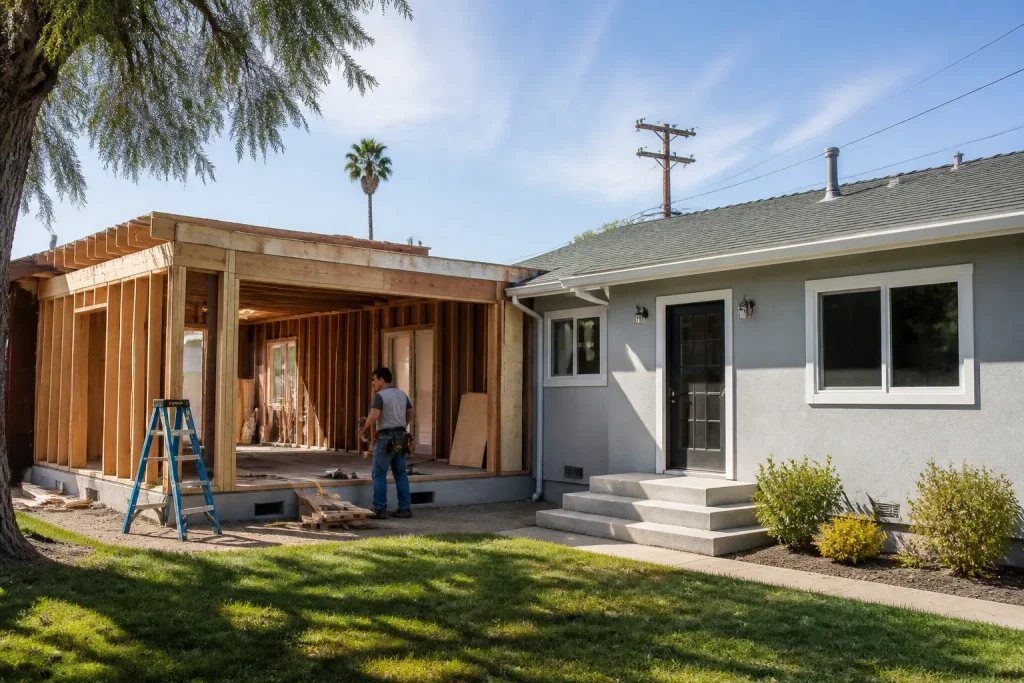
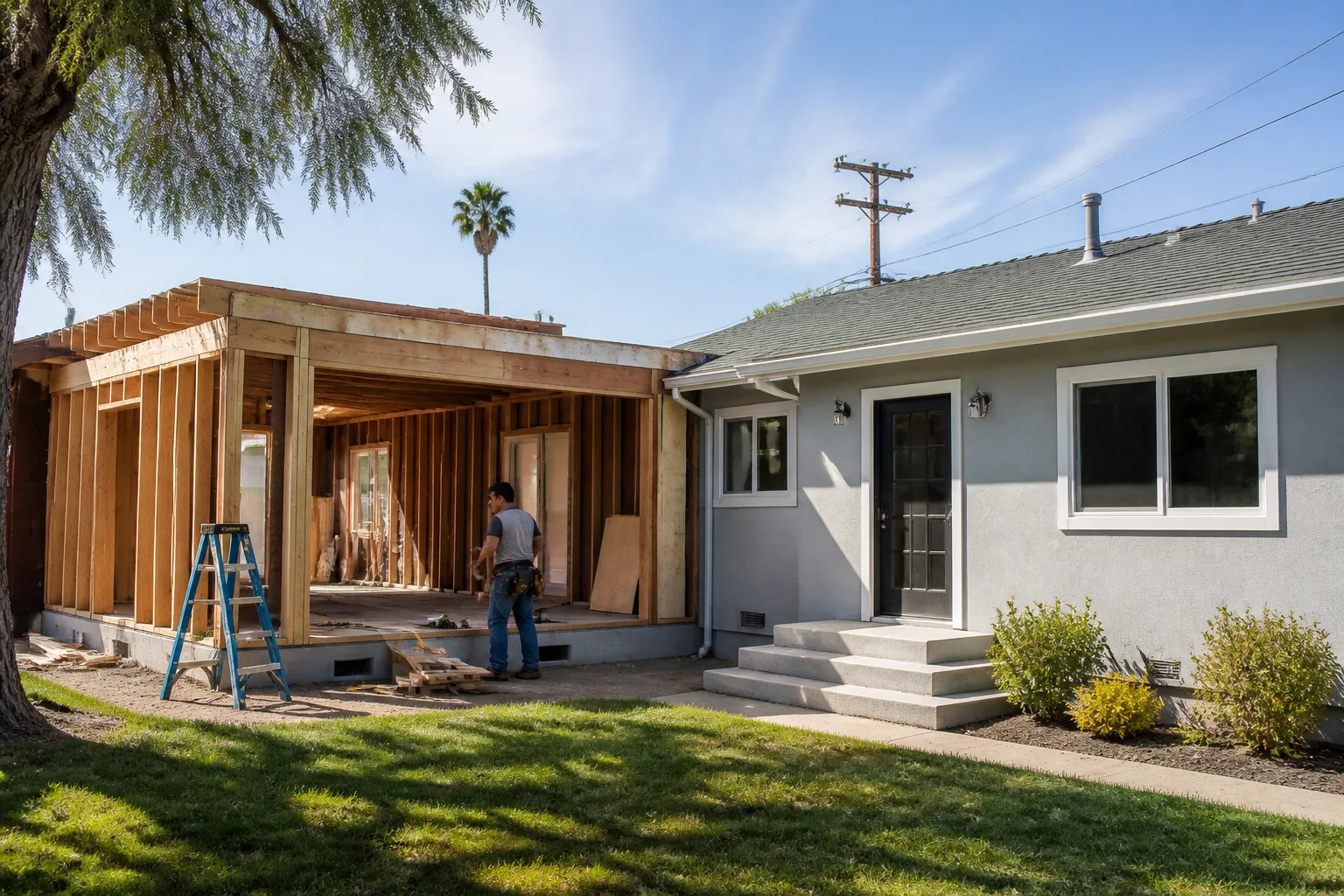
We pulled a failing garage conversion apart in Eagle Rock last spring. The homeowner had three quotes to patch a sagging roofline, all hovering near $38,000. What none of those quotes mentioned: the original conversion was unpermitted, the foundation footings were 6 inches too shallow for current LADBS code, and the electrical had been spliced into the main panel with wire rated for 14 amps carrying a 20-amp load. Patching it would’ve preserved every one of those problems. A legal ADU rebuild ran $180,000 and created a rentable unit immediately worth roughly $350,000 in added value. The repair wasn’t cheaper. It was just slower.
The Three-Number Test Every Los Angeles Homeowner Should Run
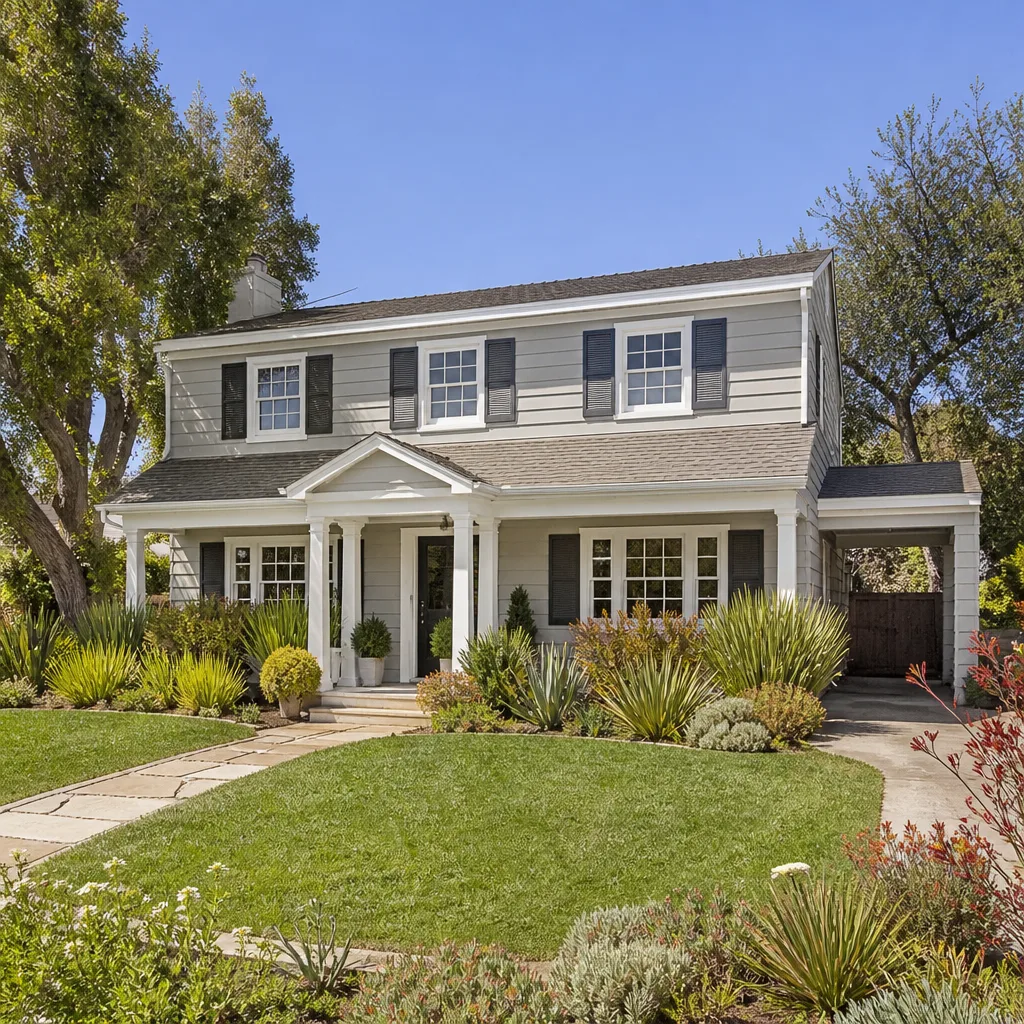
Before you sign anything, get three estimates in writing. Not one. Three separate numbers, from three separate sources, for three separate outcomes. Here’s the framework to run the math yourself:
- Number one: true cost of repair. Not the quick-fix quote. Ask the contractor to itemize everything required to make the addition code-compliant and structurally sound, with permits. In Los Angeles, that rarely means just the visible problem. A cracked stucco wall often hides inadequate shear wall behind it. A leaking addition roof in the San Fernando Valley is usually a flashing detail that was never done right, not a shingle issue.
- Number two: cost of code-compliant replacement. Get a realistic, line-itemed number for tearing down and rebuilding. Detached ADUs in Los Angeles currently run $180,000 to $320,000 before site work, depending on size, foundation conditions, and utility access. An attached room addition typically lands lower, but hillside lots in neighborhoods like Mount Washington or Silver Lake can push foundation costs substantially higher.
- Number three: projected value lift. Ask an appraiser, not a contractor. A legal, permitted ADU in Los Angeles with its own address, utilities, and entrance rents for $2,200 to $3,400 per month depending on neighborhood. That rent income directly raises comparable sales value. An unpermitted addition adds almost nothing to an appraisal because it doesn’t legally exist on county records.
When number one approaches 40 to 50 percent of number two, and number three is meaningfully positive, replacement wins. The construction cost either way is substantial. So don’t pay twice for the same structure.
When LADBS Forces the Decision for You
Here’s something most contractors won’t mention until after you’ve signed: the Los Angeles Department of Building and Safety has a threshold that removes your choice entirely. If an existing, permitted structure has seen enough damage or requires enough renovation, LADBS classifies it as “substantial improvement.” The specific trigger applies when the cost of repairs exceeds 50 percent of the structure’s pre-damage market value. Once that line is crossed, the project must be brought to full current code, which in practice means tearing out everything that isn’t structurally reusable. That often includes foundation work, seismic retrofit details, and updated electrical and plumbing.
So before you accept a repair estimate, ask one question: “Will this scope trigger substantial-improvement review at LADBS?” If the contractor hesitates, that’s a red flag. In our experience building across Los Angeles, the number of homeowners who accidentally wander into full-rebuild territory because a contractor lowballed the initial repair quote is depressingly consistent. The cheap quote wasn’t cheap. It was incomplete.
Structural vs. Cosmetic: Know What You’re Actually Looking At
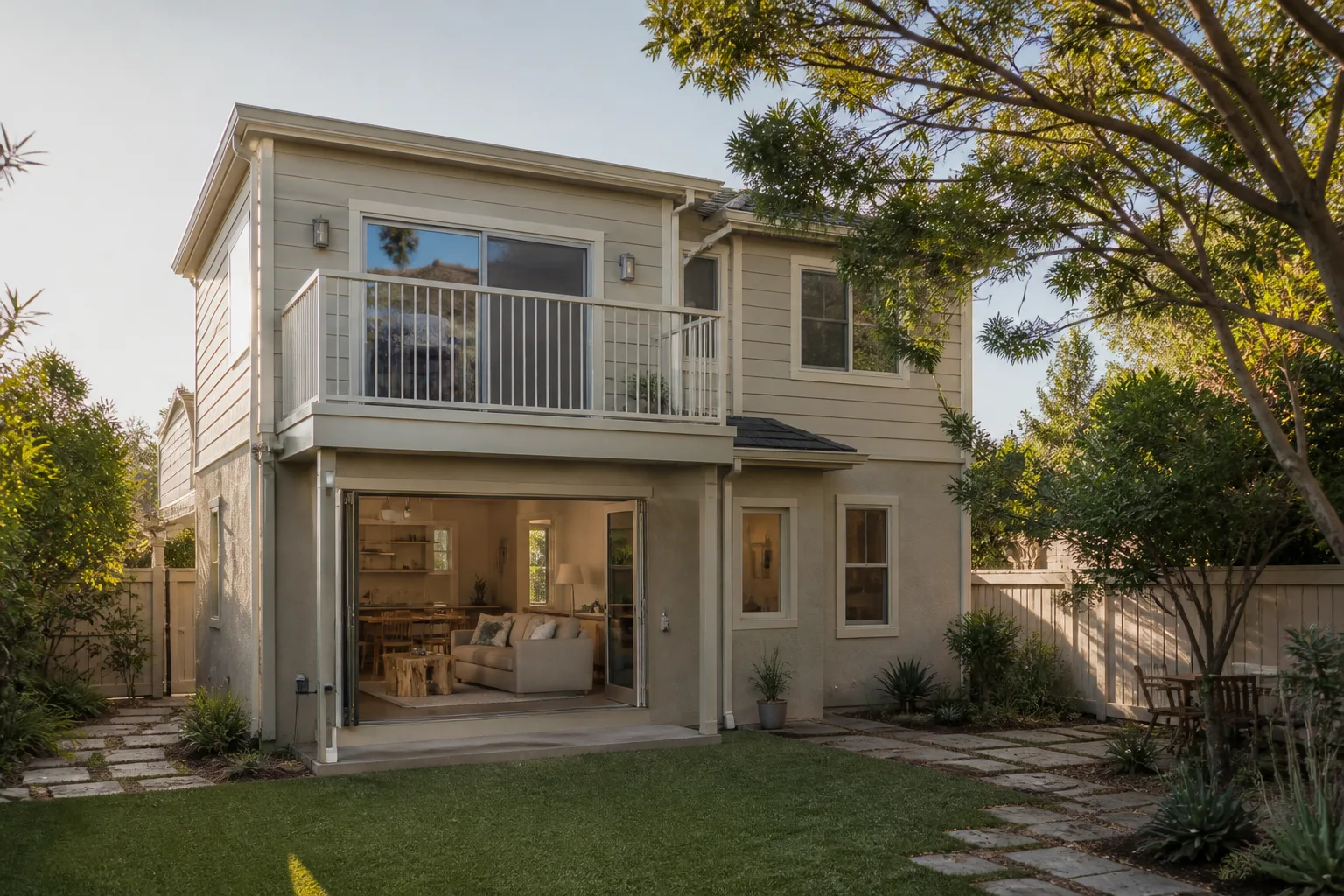
Not every cracked wall means a rebuild. Los Angeles homes move. Clay soil in neighborhoods like Atwater Village and Highland Park expands and contracts with every rain cycle. Some hairline settling is normal. But there are patterns that tell you whether the issue is skin-deep or bone-deep.
- Diagonal cracks from window corners, wider than 1/8 inch, often indicate foundation settlement or inadequate load transfer. Cosmetic caulk won’t fix a moving foundation.
- Horizontal cracks in foundation walls are the ones to take seriously. Soil pressure against an inadequately reinforced foundation wall causes horizontal displacement. Vertical cracks are usually less urgent.
- Doors and windows that suddenly stick in an older addition can signal that the structure is shifting. If it’s new movement, not an old issue, have it evaluated.
- Sagging roofline or visible deflection in the ceiling joists of an older addition: that’s structural, not cosmetic, and patching drywall won’t fix the load path.
Here’s the nuance. A cosmetic repair is cheap to patch and fine to patch. A structural repair within an otherwise sound addition is sometimes worth doing. But a structure with multiple structural deficiencies is usually cheaper to replace than to re-engineer piece by piece, especially once seismic detailing enters the conversation. In Los Angeles earthquake country, a non-ductile sheer wall isn’t a maintenance item. It’s a liability.
Related: If you’re weighing a full replacement, our ADU Builders in Los Angeles page walks through what a permitted build actually involves, including timelines and realistic budgets.
Unpermitted Prior Work Changes the Math
We walk into at least one unpermitted addition per month in Los Angeles. Sometimes it’s a garage converted in the 1990s with no permit. Sometimes it’s a bedroom added off the back of a 1940s bungalow in West Adams. The homeowner bought the house with the addition already there, assumed the county knew about it, and never thought twice.
Here’s what unpermitted work means for repair-or-replace decisions. An unpermitted addition cannot legally be sold as livable square footage. It cannot be counted in an appraisal. It cannot be rented legally. Insurance claims involving that structure are routinely denied. And in many cases, lenders won’t finance against it. Repairing an unpermitted addition means paying to preserve a structure that adds zero legal value to your home.
Replacing it with a permitted build is often not just the better financial decision. It’s the only decision that cleans the slate. When we tear down an unpermitted conversion and build a code-compliant ADU or room addition in its place, the new structure is permitted, recorded, and insurable. That single project can change how an entire property is valued. The takeaway: if the existing structure was never permitted, the repair-versus-replace math usually collapses in favor of replacement. You’re choosing between paying to preserve a liability or paying to remove one.
What to Ask Any Contractor Before Accepting Their Recommendation
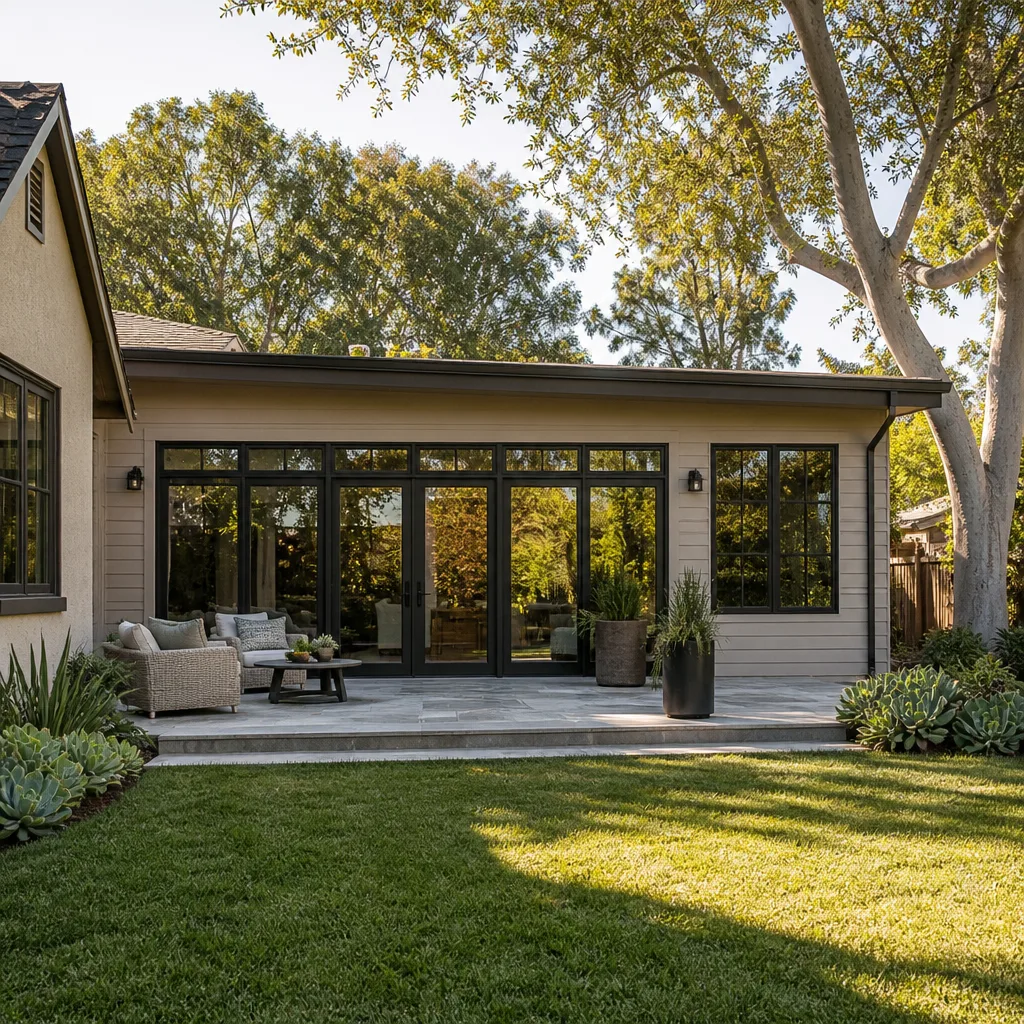
Here’s what we’d want to hear from any contractor recommending a repair or a replacement in Los Angeles, whether you call us or someone else. These questions surface the difference between honest guidance and a bid designed to land somewhere convenient.
- What’s the dollar threshold where your repair quote turns into a required rebuild? If they can’t give a number tied to the substantial-improvement rule at LADBS, they haven’t calculated the risk.
- Are there permits required for the repair work, and who pulls them? In Los Angeles, even some repairs require permits. If the contractor suggests skipping permits to save money, you’re accepting a new set of problems rather than fixing the old ones.
- What’s your financial incentive here? Every contractor has a bias. Some prefer repairs because they’re faster and generate better margin per day. Some prefer replacements because the contract value is higher. A straight answer tells you which way the advice is leaning.
- What’s the written, itemized price before any work starts? This is the Threshold Standard we’ve built Sutton ADU Builders around since 2006. A contractor who won’t commit to a written price before tools come out is a contractor planning to discover cost overruns later. The number you get before work starts should be the number you pay when the work is done.
One more thing. Ask who specifically will be on your property. Every technician who works on a Sutton project in Los Angeles is background-checked, identity-verified, uniformed, and photo-badged. You get their name and photo before anyone arrives. That level of certainty isn’t standard in this industry, and no homeowner should accept less when the alternative is opening a door mid-construction to someone they’ve never met.
How Prefab and Panelized Systems Change the Replacement Calculus
One thing that’s shifted the repair-or-replace decision in Los Angeles over the last decade is the emergence of prefab and panelized ADU systems. A traditional stick-built addition takes six to twelve months, requires heavy on-site framing, and carries significant weather and subcontractor risk. A panelized or prefab system from a manufacturer like Abodu, Dvele, or Mighty Buildings can compress the schedule substantially because the structure arrives in sections built in a controlled factory environment.
That doesn’t make prefab automatically cheaper. It makes it faster and more predictable, which for a homeowner who’s deciding between an 18-month stick-built addition and a 9-month panelized alternative may be the deciding variable. We’ve worked with several of these product lines long enough to know where they pencil out and where they don’t. A flat, accessible lot in a neighborhood like Leimert Park makes panelized delivery straightforward. A hillside lot in Echo Park with no crane access will erode the prefab advantage quickly. The right answer depends on your specific lot. A reputable contractor should be able to walk you through which product line fits, rather than selling whichever one they happen to carry.
For the full breakdown of how different ADU approaches compare in Los Angeles, start with our ADU Builders in Los Angeles page or the Home Addition Contractor in Los Angeles guide if you’re leaning toward a traditional build.
When to Call a Professional
Here’s the honest dividing line. If you’re seeing hairline settling in a 1950s addition and nothing is actively moving, get an inspection and monitor it. If you’re looking at horizontal foundation cracks, visible roof deflection, doors binding, or any structural element that has changed noticeably in a single winter, call a licensed professional now. Los Angeles seismic and soil conditions are not forgiving of delayed structural work. A $450 evaluation now is cheaper than a $45,000 emergency fix later.
And if the existing structure was never permitted, or if repair estimates are creeping past the 50 percent threshold, or if you’ve got two different contractors giving you two radically different diagnoses, that’s the moment to bring in a third opinion from someone who builds additions for a living, not just patches them. The Room Addition Contractor in Los Angeles page covers what a permitted room addition actually requires, including LADBS documentation.
Key Takeaways
- Run the three-number test before deciding: true repair cost, code-compliant replacement cost, and projected value lift.
- LADBS’s substantial-improvement threshold can force a rebuild regardless of preference once repair costs cross roughly 50 percent of structure value.
- Unpermitted prior work usually tips the scale toward replacement because repairing it preserves zero legal value.
- Structural warning signs (horizontal cracks, roofline deflection, binding doors) warrant immediate professional evaluation in Los Angeles soils and seismic conditions.
- Every written price should be locked before work starts. Every person arriving at your home should be verified by name before the door opens.
The Bottom Line
Repair-versus-replace in Los Angeles isn’t a question of which path is cheaper in the moment. It’s a question of which path stops the money leak, adds lasting value, and doesn’t force you to revisit the same decision in five years. Run the numbers, check the permit history, and get your written price before anyone swings a hammer. If you’re in Los Angeles and want a straight evaluation of your existing addition or a free written estimate on a replacement build, Sutton ADU Builders is ready. Call (472) 248-8213 and we’ll walk the property with you.
Frequently Asked Questions
Cosmetic repairs like stucco patching, drywall work, or flashing fixes typically run $3,000 to $12,000 in Los Angeles. Structural repairs involving foundation work, shear wall installation, or roof framing replacement can run $25,000 to $80,000 depending on scope. Any repair estimate for a Los Angeles addition should be line-itemed and in writing. Call (472) 248-8213 to have us look at your specific structure.
A permitted detached ADU in Los Angeles generally runs $180,000 to $320,000 before site work, depending on size, foundation conditions, utility distance, and product line. Attached room additions can be lower if the existing foundation and roof are sound. Prefab systems from manufacturers like Abodu or Dvele can compress timelines but won’t necessarily reduce total cost. We’ll give you a written, line-itemed price for your specific lot.
You can physically repair an unpermitted addition, but it will remain unpermitted unless you bring the entire structure through LADBS code compliance, which often costs as much as a fresh build. An unpermitted addition carries no legal square footage value, cannot be rented lawfully, and may complicate insurance claims. Replacement with a permitted build often removes the liability entirely. Call (472) 248-8213 for an honest read on your property’s permit history and options.
A traditional stick-built ADU or addition in Los Angeles typically takes six to twelve months from permit submittal to final inspection. Panelized or prefab systems from companies like Cover or Mighty Buildings can shorten on-site construction time, though permitting and site prep still apply. The schedule varies heavily by neighborhood and lot access. We’ll give you a realistic timeline alongside your written estimate. Call (472) 248-8213 to get started.
Written by Miles Hartwell, Owner at Sutton ADU Builders, serving Los Angeles since 2006.
Need ADU Help?
Call Sutton ADU Builders - licensed & insured, here with fast after-hours help in Los Angeles.
(472) 248-8213