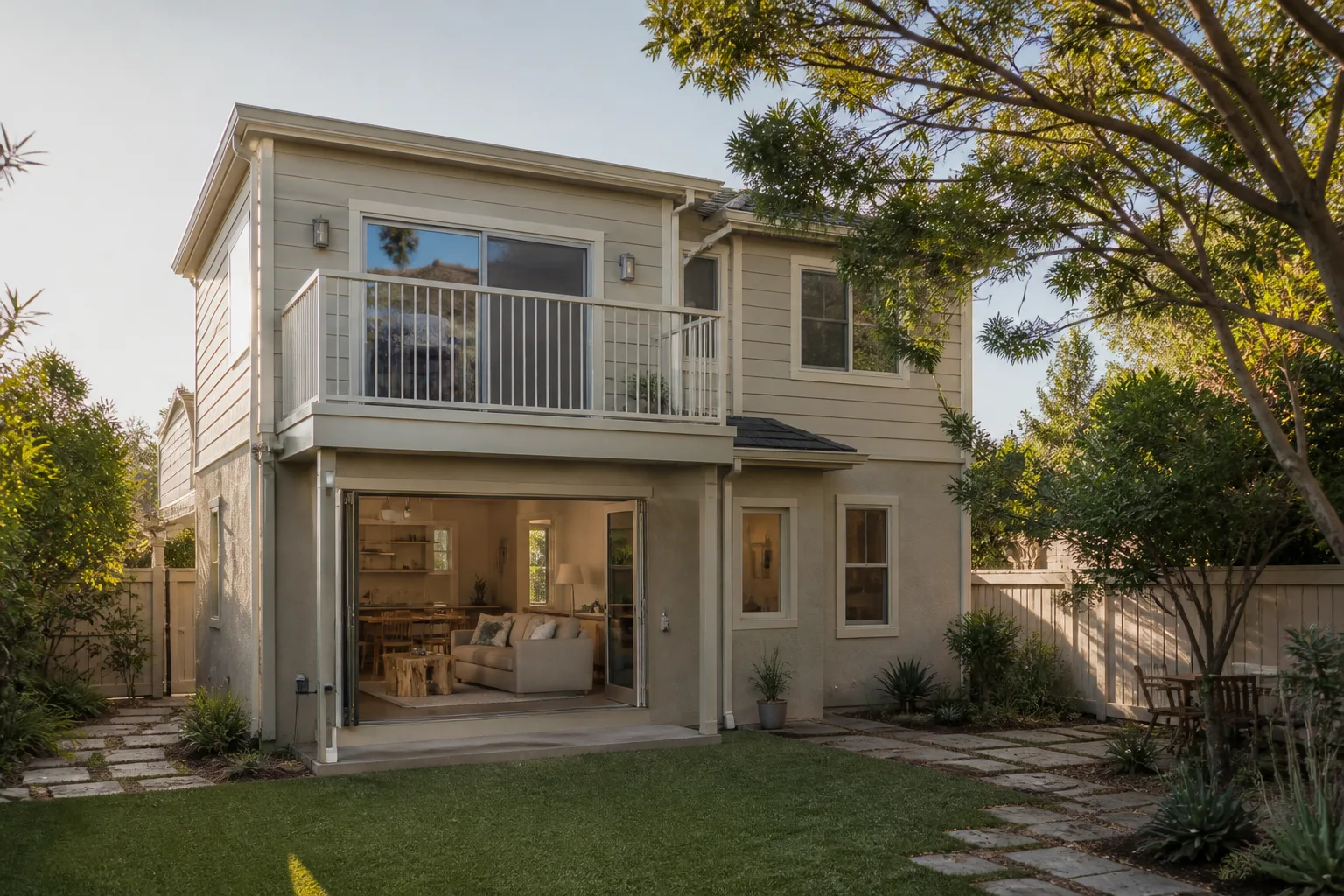
A free site visit, a check of what your lot allows and a written, line-item price.
Get your free estimateHow Much Does ADU Cost in Los Angeles?
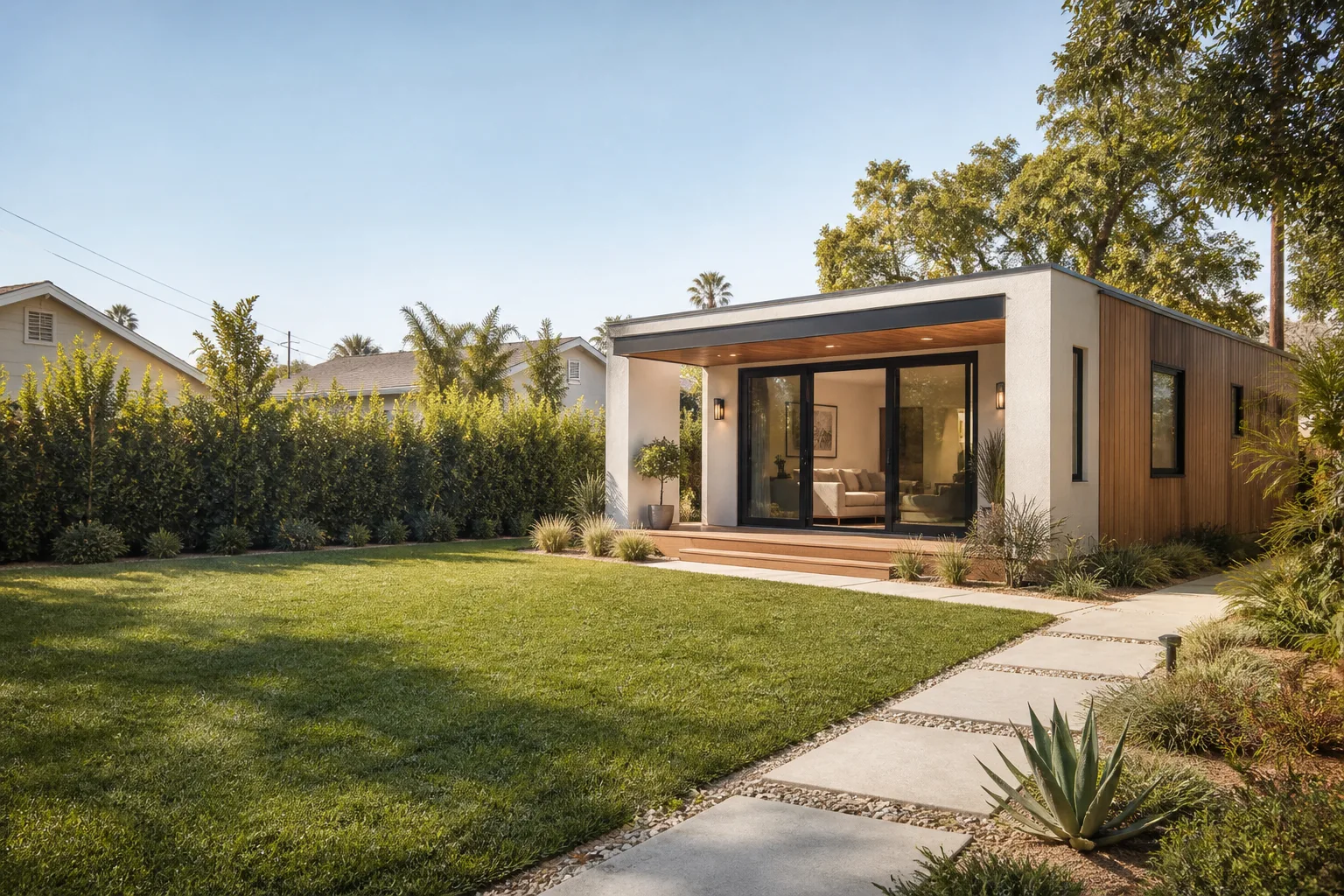
A detached ADU in Los Angeles typically runs $180,000 to $420,000, with most homeowners landing between $220,000 and $310,000 for a 600 to 800 square foot unit. Garage conversions cost far less, usually $95,000 to $180,000, because the foundation, roof, and three walls already exist. Prefab and modular options from brands like Abodu, Cover, or Boxabl often come in at the lower end of that detached range once you factor in a simple lot and standard utility hookups.
Those numbers include design, permits, site work, and construction for a finished, livable unit. What moves you up or down the scale is almost always the site itself, not the finishes. A flat lot in Van Nuys with an existing sewer lateral is a very different project from a hillside lot in Mount Washington where the foundation alone can add $60,000.
Key Takeaways
- Detached ADUs: $180,000 to $420,000, most commonly $220,000 to $310,000
- Garage conversions: $95,000 to $180,000
- Attached additions and junior ADUs: $75,000 to $160,000
- Prefab units can trim 15 to 25 percent off a comparable stick-built cost
- Site work, utilities, and foundation are the biggest variables, not finishes
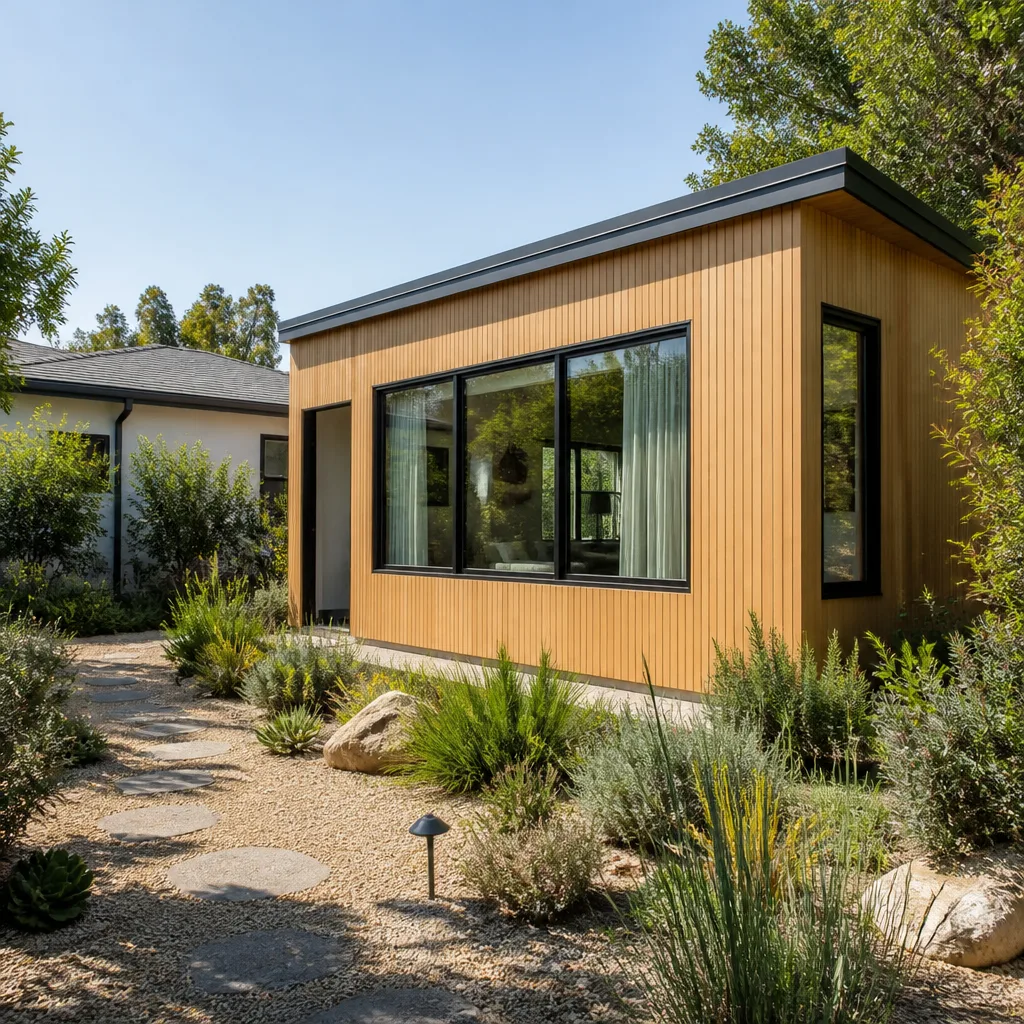
ADU Cost Breakdown (2026)
Here’s how a typical 700 square foot detached ADU in Los Angeles breaks down in 2026. These ranges reflect real Los Angeles market pricing, including permits and typical site conditions on a flat or gently sloped lot.
| Line Item | Typical Range | What It Covers |
|---|---|---|
| Design & architectural plans | $8,000 – $22,000 | Site survey, drawings, structural engineering, Title 24 energy calcs |
| Permits & city fees | $6,000 – $18,000 | Plan check, building permit, LADBS fees, school district fees |
| Site prep & demolition | $6,000 – $25,000 | Grading, tree removal, hauling away, utility locating |
| Foundation | $18,000 – $55,000 | Slab or raised foundation, piers, retaining walls on sloped lots |
| Framing & shell | $45,000 – $80,000 | Walls, roof structure, sheathing, weatherproofing |
| Plumbing, electrical, HVAC | $30,000 – $55,000 | Rough-in and finish, panel tie-in, mini-split or ducted system |
| Utility trenching & connections | $10,000 – $40,000 | Tying into sewer, water, gas, and electrical from the main house |
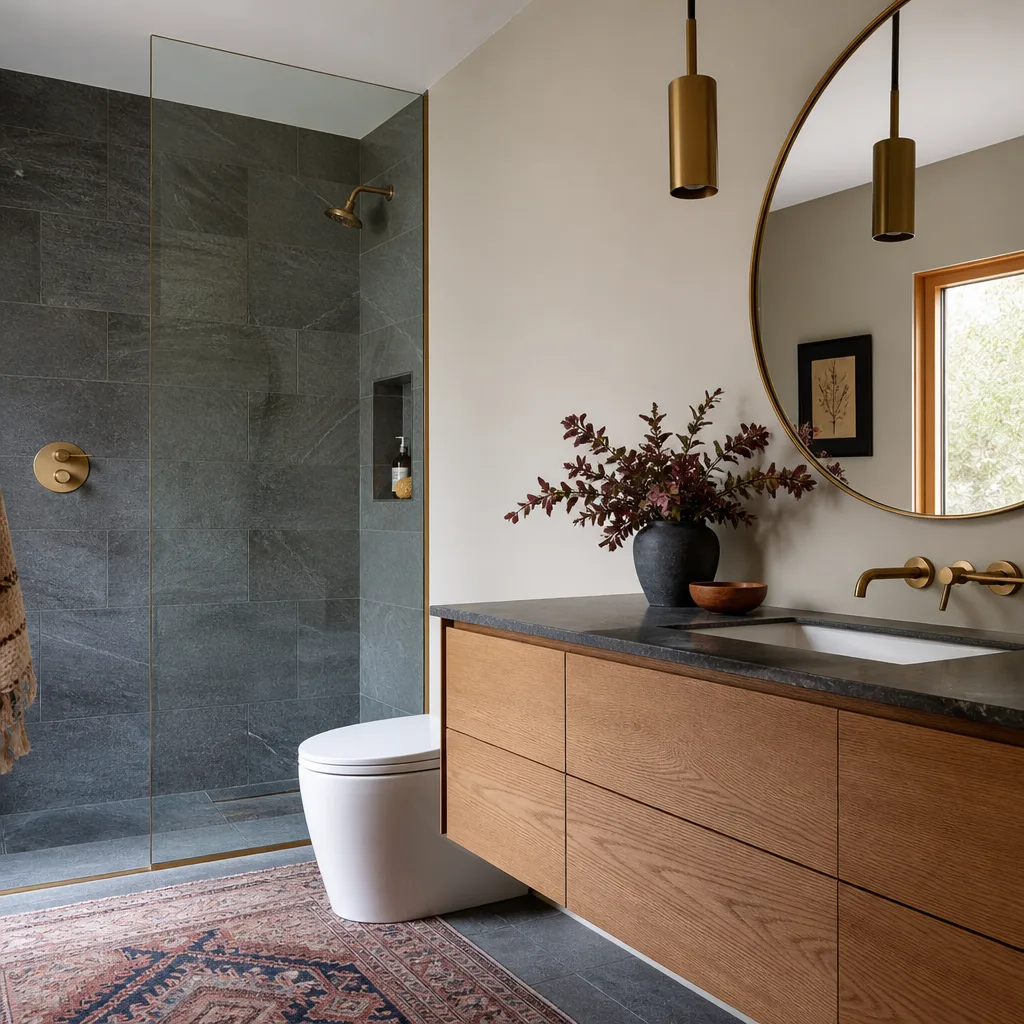
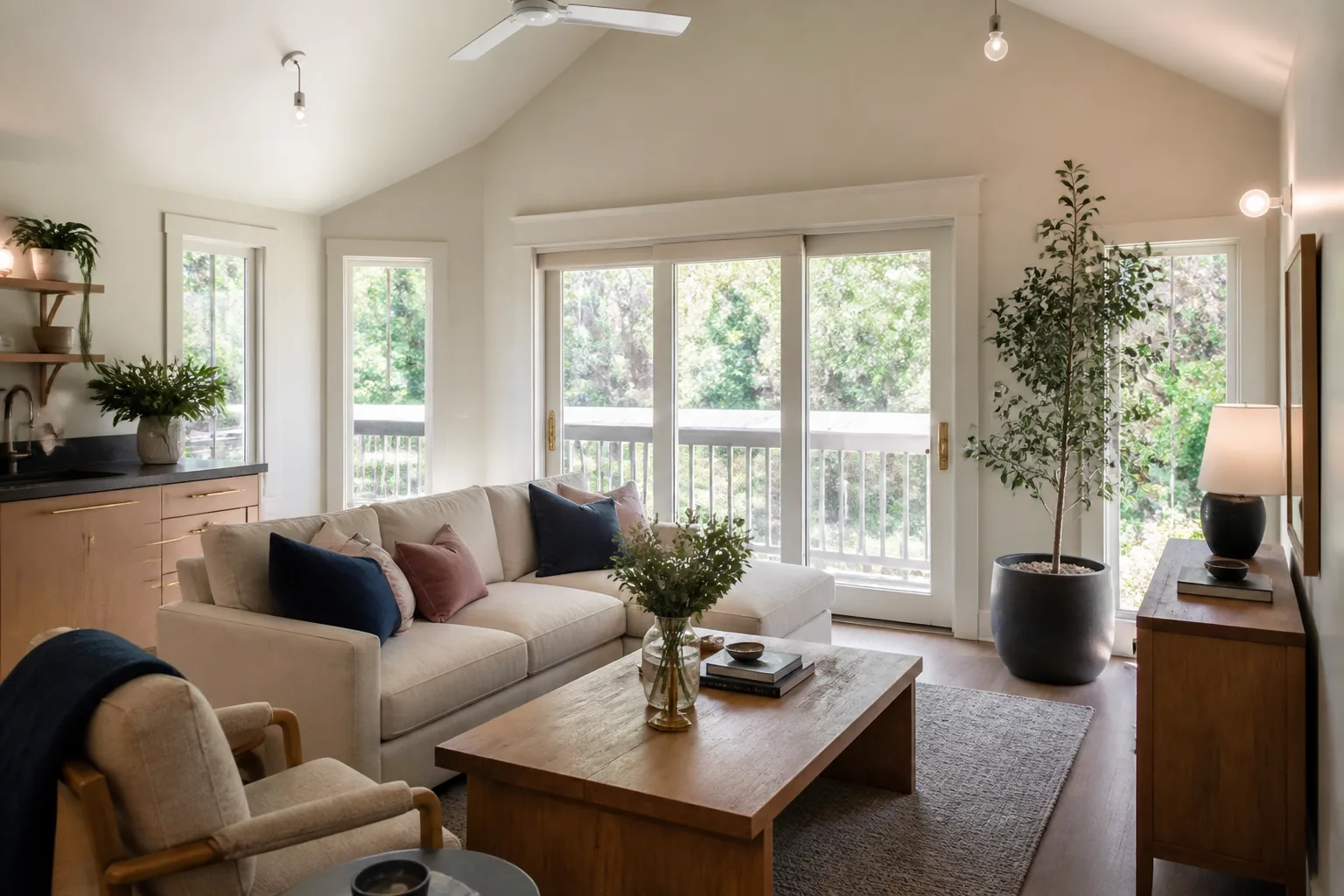
| Interior finishes | $25,000 – $60,000 | Drywall, flooring, cabinetry, fixtures, paint |
| Exterior cladding & roofing | $15,000 – $35,000 | Siding (we use James Hardie systems), roofing, windows, doors |
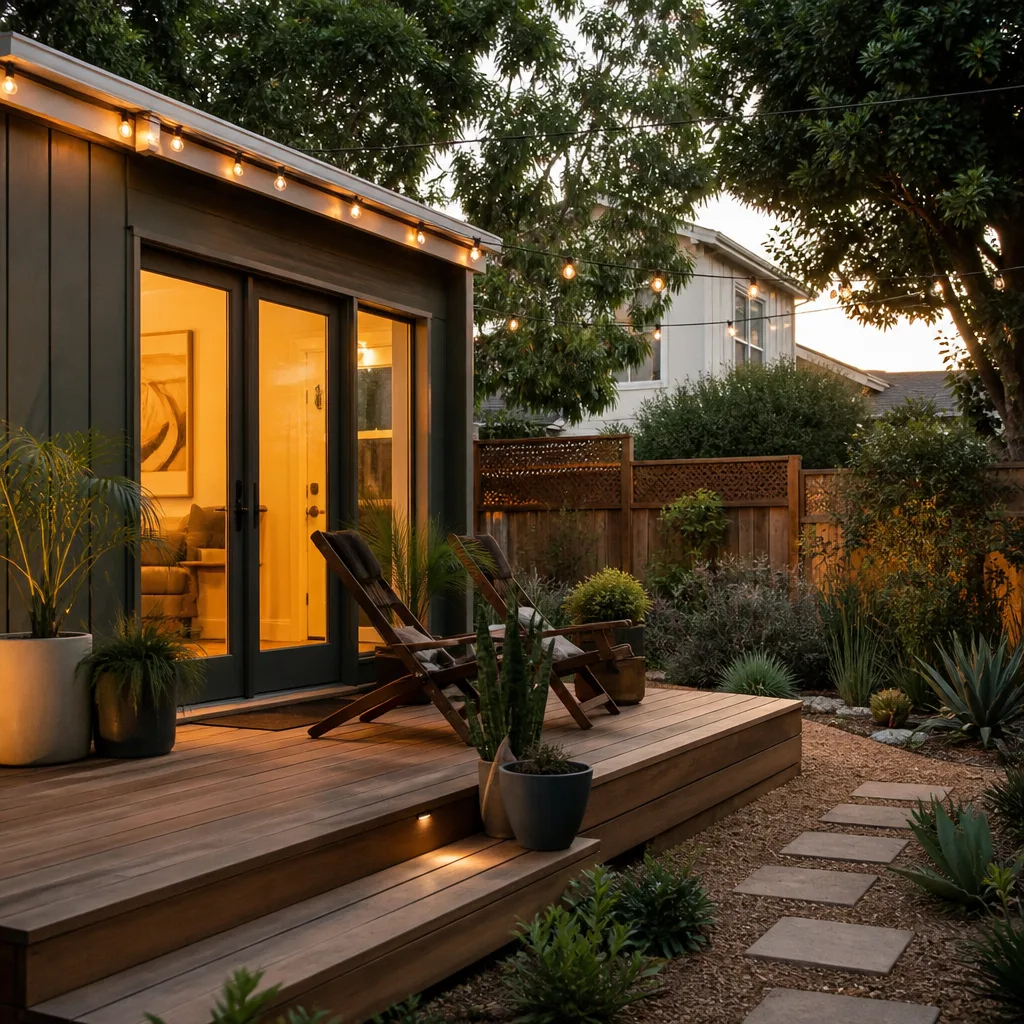
| Landscaping & final grade | $4,000 – $15,000 | Restoring the yard, drainage correction, walkways |
Add those up and you land right in the $180,000 to $420,000 range depending on your lot and finish level. Two things push a project toward the top of that band: a difficult site (hillside, tight access, old sewer line) and a high-end finish package. Two things pull it down: reusing existing utilities and choosing a prefab shell over stick-built framing.
What genuinely surprises most homeowners is how much the site costs, not the house. On a simple flat lot in Reseda or Canoga Park, site work and utilities might total $30,000. On a narrow hillside parcel in Echo Park with a shared driveway, that same category can break $90,000 before anyone hangs a single sheet of drywall. That’s why we never quote from a phone call. The written price comes after someone walks the lot.
What Affects ADU Pricing in Los Angeles
Los Angeles is not one market. It’s dozens of micro-markets stacked on top of each other, and the biggest single determinant of your ADU cost is which one your lot sits in. Here are the factors that move the number most.
- Your lot and topography. A flat lot in Northridge is straightforward. A sloped lot in Mount Washington or the Hollywood Hills needs engineered piers, retaining walls, and sometimes caissons, which can add $40,000 to $80,000 on its own. Hillside grading in the city also triggers additional geotechnical review.
- Utility connection distance. The farther your ADU sits from the main house, the more trenching you pay for. If your sewer lateral is old or undersized, which is common in pre-1950 homes around Highland Park and Boyle Heights, you may be replacing it to code before you can tie in.
- Foundation type and soil. Parts of Los Angeles sit on expansive clay soils that require deeper footings. Coastal areas like Venice and Playa del Rey bring in a different set of requirements. Soil reports aren’t optional, and they cost money.
- Access for crews and deliveries. If a concrete truck can’t reach your backyard without a pump truck, that’s a real line item. Narrow driveways in Silver Lake and tight hillside streets add cost that a wide lot in Woodland Hills simply doesn’t have.
- Size and layout. A 500 square foot studio costs meaningfully less than an 1,100 square foot two-bedroom, but not proportionally. Kitchens and bathrooms carry fixed costs that don’t shrink. Two bathrooms can add $25,000 to $40,000 over one.
- Prefab versus stick-built. Factory-built units from Abodu, Dvele, Mighty Buildings, Plant Prefab, or Cover can reduce on-site labor and compress your timeline. The tradeoff is that site work, foundation, and utilities still cost the same, and crane placement adds its own line item.
- Finish level. Standard finishes hold your budget. Custom cabinetry, stone counters, and high-end appliances can add $30,000 to $60,000 without changing the square footage at all.
- Permit complexity. A straightforward ADU on a compliant lot moves through the city with a plan check in a few months. A lot with an existing non-permitted structure, or one in a hillside or coastal overlay, adds review time and sometimes a discretionary hearing.
If you’re still deciding between a detached unit, a conversion, or an addition, our guide to ADU and home-addition services walks through how each one fits different lots. The choice often comes down to what your site allows, not what you’d prefer.
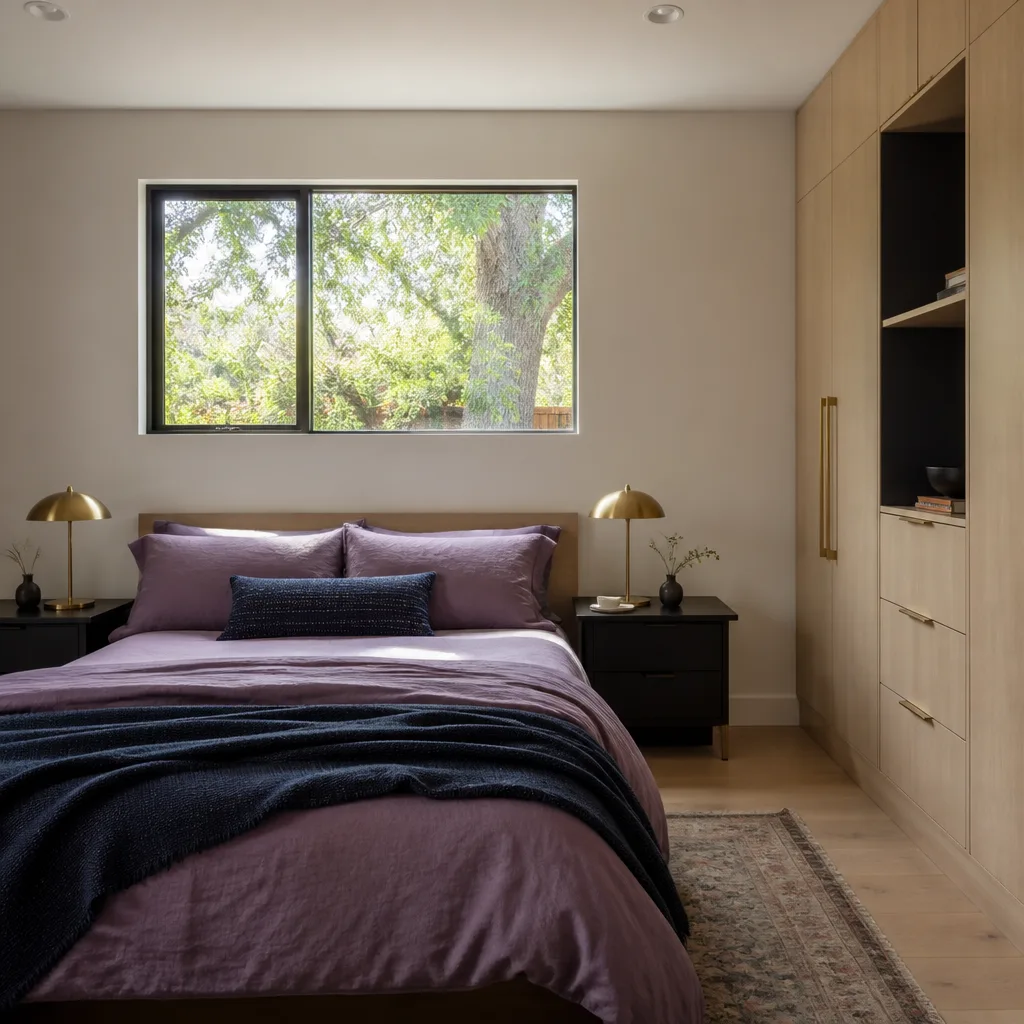
Detached ADU vs. Garage Conversion vs. Addition: Cost Comparison
These three project types are not interchangeable when it comes to cost, and the gap is wide enough to change your whole plan.
A detached ADU gives you the most flexibility and the highest rental value, but you’re paying for a full structure from the ground up. That’s the $180,000 to $420,000 range.
A garage conversion reuses the existing slab, roof, and three walls. You’re adding insulation, framing, plumbing, electrical, and a proper living space where a car used to park. At $95,000 to $180,000, it’s the most affordable path to a legal, rentable unit, and it’s popular in older neighborhoods with detached garages like West Adams and Leimert Park.
A room addition or junior ADU attached to the main house runs $75,000 to $160,000. You’re not building a separate structure, but you are tying into the existing systems, which can get complicated depending on the age and condition of your home’s plumbing and electrical panel.
One thing worth flagging before you decide: if your garage has an existing permitted structure, converting it can trigger a requirement to replace the parking you’re removing, though state law has relaxed this considerably in recent years. Every lot is different, and this is exactly the kind of thing we sort out on the first visit rather than the fifth.
How to Save on ADU Costs in Los Angeles
Nobody enjoys paying for a foundation they can’t see. Here’s where the real savings live.
- Reuse what you already have. An existing garage slab, existing sewer lateral, or a panel with spare capacity can each save you thousands. We look for these first.
- Stay under 750 square feet. Many fixed costs (kitchen, bathroom, HVAC system) don’t scale linearly. A well-planned 600 square foot unit often delivers nearly the same rental income as an 800 square foot one for $40,000 to $60,000 less.
- Consider prefab for the shell. Working with a recognized product line like Boxabl, Plant Prefab, or Abodu can trim on-site labor and shorten your timeline, which reduces carry costs.
- Pour one foundation, run all utilities at once. Trenching, grading, and concrete work are cheapest when they happen a single time. Sequencing your ADU alongside a driveway or patio project can absorb shared costs.
- Choose standard finishes. This is not a place to skimp on structure. It absolutely is a place to choose standard cabinetry over custom, and laminate over stone.
- Get a written price before you start. A vague estimate is where budgets go to die. Every Sutton project gets a written price before any work begins, so scope creep can’t quietly land on your final invoice.
If you want a real number for your lot rather than a range, call us at (472) 248-8213 for a free estimate. We’ll walk the site and put a written price in your hands.
FAQs – ADU Costs in Los Angeles
How much does a detached ADU cost in Los Angeles in 2026?
Most detached ADUs in Los Angeles cost $180,000 to $420,000, with a typical 600 to 800 square foot unit landing between $220,000 and $310,000 including design, permits, site work, and construction. Hillside lots and high-end finishes push toward the top of that range; flat lots and prefab shells pull it down. Call (472) 248-8213 for a written price specific to your lot, and the estimate is free.
Is it cheaper to convert a garage or build a detached ADU?
Garage conversions are cheaper, usually $95,000 to $180,000 versus $180,000 and up for detached construction. You save because the foundation, roof, and three walls already exist. The catch is that a conversion is limited by the size and condition of your garage, and older garages sometimes need structural work or a new slab. A detached unit gives you more design freedom and typically a higher rental value.
How much do ADU permits and city fees cost in Los Angeles?
Plan check and permit fees in Los Angeles generally run $6,000 to $18,000 for a standard detached ADU, depending on square footage and valuation. Add design and engineering at $8,000 to $22,000. Hillside, coastal, or non-permitted-structure situations can push fees higher because of additional review. We handle the paperwork and the plan check process for every project, and it’s all folded into the written price.
Does a prefab ADU cost less than a stick-built one?
Often yes, by roughly 15 to 25 percent on the construction portion, though site work, foundation, and utilities cost about the same either way. We work with recognized product lines including Abodu, Cover, Dvele, Mighty Buildings, Boxabl, and Plant Prefab, so we can compare a factory shell against a traditional build for your specific lot rather than assume one is cheaper. On a simple lot, prefab frequently wins on both cost and timeline.
How long does an ADU take to build in Los Angeles, and does the timeline affect cost?
Plan to budget 9 to 18 months from first drawing to final inspection, with the city’s plan check the biggest variable. Construction itself typically runs 5 to 9 months. Every month of delay carries real cost through financing, rent, or lost rental income, which is why we lock a written price and a schedule up front. Call (472) 248-8213 and we’ll give you a realistic timeline alongside your price.
Why does the same ADU cost different amounts in different parts of Los Angeles?
Because the lot, not the house, drives the number. A flat parcel in Chatsworth might need $30,000 in site work; a hillside lot in Mount Washington with a shared driveway can need $90,000 before framing starts. Soil conditions, utility distances, access for crews, and overlay districts all vary block by block across the city. That’s why we walk your property before quoting, and why our home page outlines how we approach every project from the first visit.
Why Homeowners Choose Sutton ADU Builders
Sutton ADU Builders was founded in 2006 and is the ADU specialist within the Threshold Group family of home-service companies. For nearly two decades we’ve helped Los Angeles homeowners add livable square footage to their lots with a level of accountability that’s unusual in construction.
Three things define how we work, and each one exists because a homeowner told us it mattered.
A written price before any work begins. Not an estimate. Not a range. A locked number, delivered before a tool is lifted. Scope creep doesn’t get passed silently to your bill.
The Threshold Standard for every crew member. Every technician who comes to your property is background-checked, identity-verified, uniformed, and photo-badged. Their name and photo reach you before they arrive, and they show that badge at the door. For homeowners who are often alone during the day, or who have young kids at home, this matters as much as the price. You know exactly who is on your property, every single time.
The 365-Day Done Right Promise. This is a written guarantee, stamped on every project, covering defects in workmanship for one full calendar year from completion. If something isn’t right within that year, we make it right, and we include a free second visit if any element fails. No haggling, no fee.
And when you call with a question about your build, a live person answers. Not a voicemail tree, not a callback queue. Day or night, there’s someone on the other end. Our name comes from an old English word for a south farm, and that’s the spirit we build in: a settled, rooted addition to your property that you’ll still be glad about a decade from now.
Get Your Los Angeles ADU Price
Real numbers beat ranges. If you’re weighing a detached ADU, a garage conversion, or an addition on your Los Angeles property, we’ll walk the lot, talk through the product lines that fit your budget, and hand you a written price before anything begins. No pressure, no vague estimates, no unfamiliar faces at your door.
Call (472) 248-8213 for a free estimate. A live person will answer.
Written by Miles Hartwell, Owner at Sutton ADU Builders, serving Los Angeles since 2006.
Pricing reflects the Los Angeles market as of 2026. Sutton ADU Builders offers free estimates – call (472) 248-8213.
What Our Customers Say
"Backyard ADU for my mother. The project manager showed ID and walked me through the permit steps, the foundation plan, and the schedule. Moved her in on time."
- Margaret C."Insulated the walls and ceiling properly. It stays comfortable even in July."
- Tamika W."They handled the drawings and the permit paperwork for us. All I had to do was pick the finishes."
- Rosa M.