
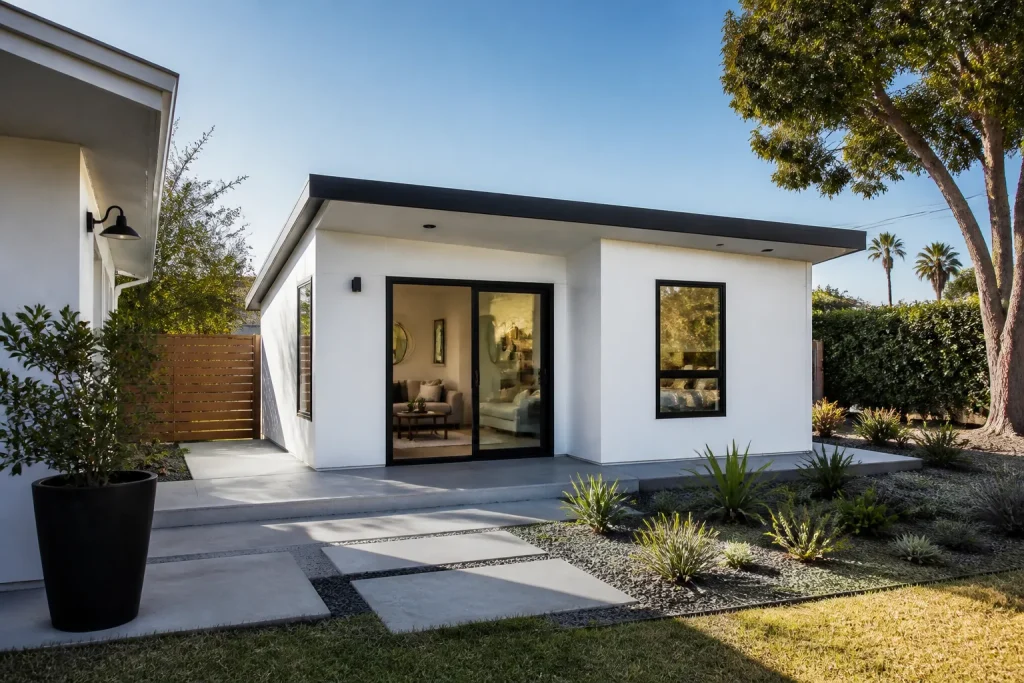
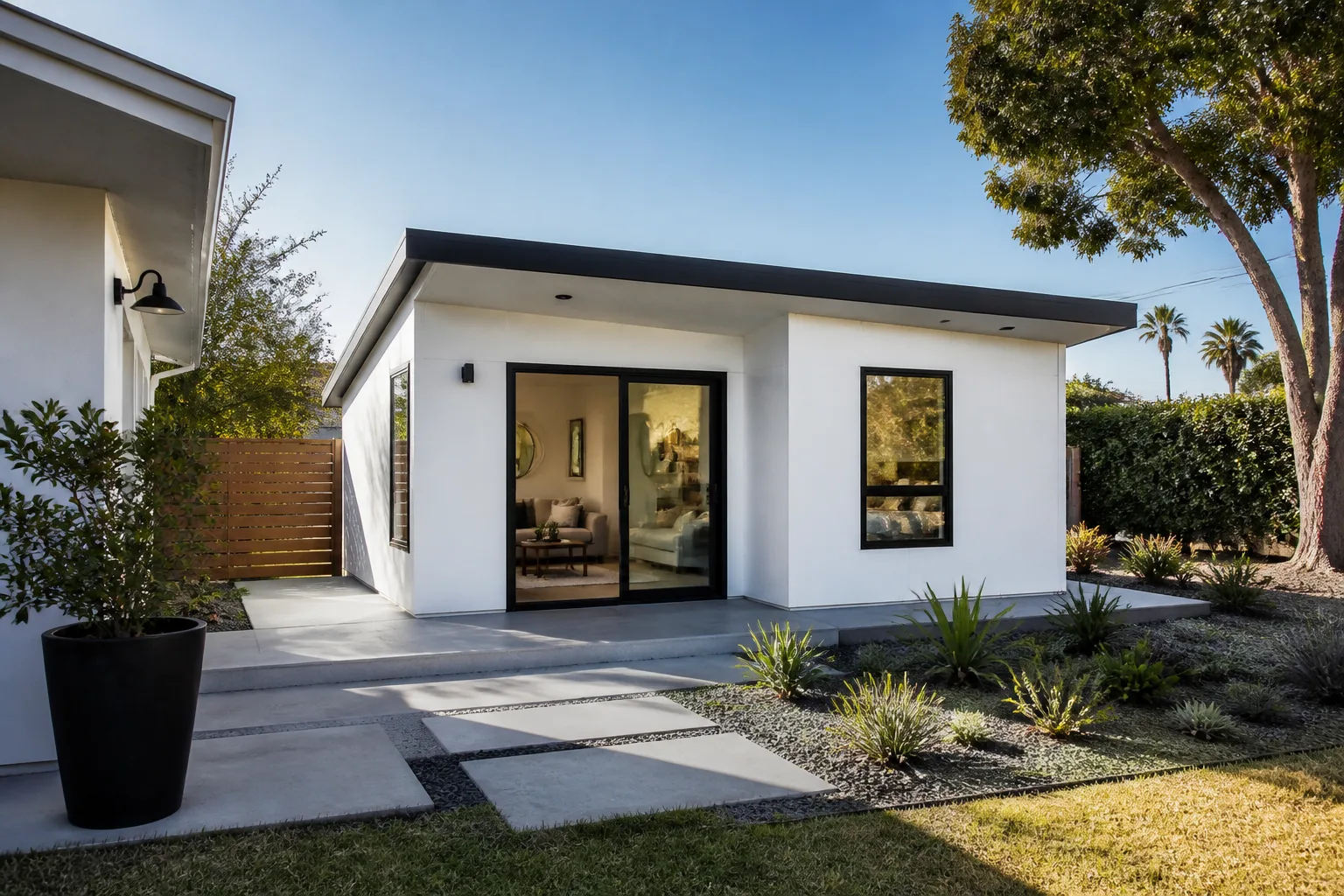
Boxabl Home Addition Contractor in Los Angeles: A Homeowner’s Guide
Boxabl’s Casita is a genuine 361-square-foot housing unit that folds up like a cardboard box and unfolds on your lot in under a day. In Los Angeles, it’s attracting serious attention from homeowners who want an ADU without a year-long construction timeline. But before you order one, you need to understand that Boxabl’s factory price is not your all-in cost, and finding a contractor who can actually permit one in LADBS territory is harder than the company’s marketing suggests.
If you’d rather skip the legwork, call (472) 248-8213 and we’ll walk you through your options. Otherwise, keep reading.
What Is a Boxabl Casita, and Why Does Its Classification Matter in Los Angeles?
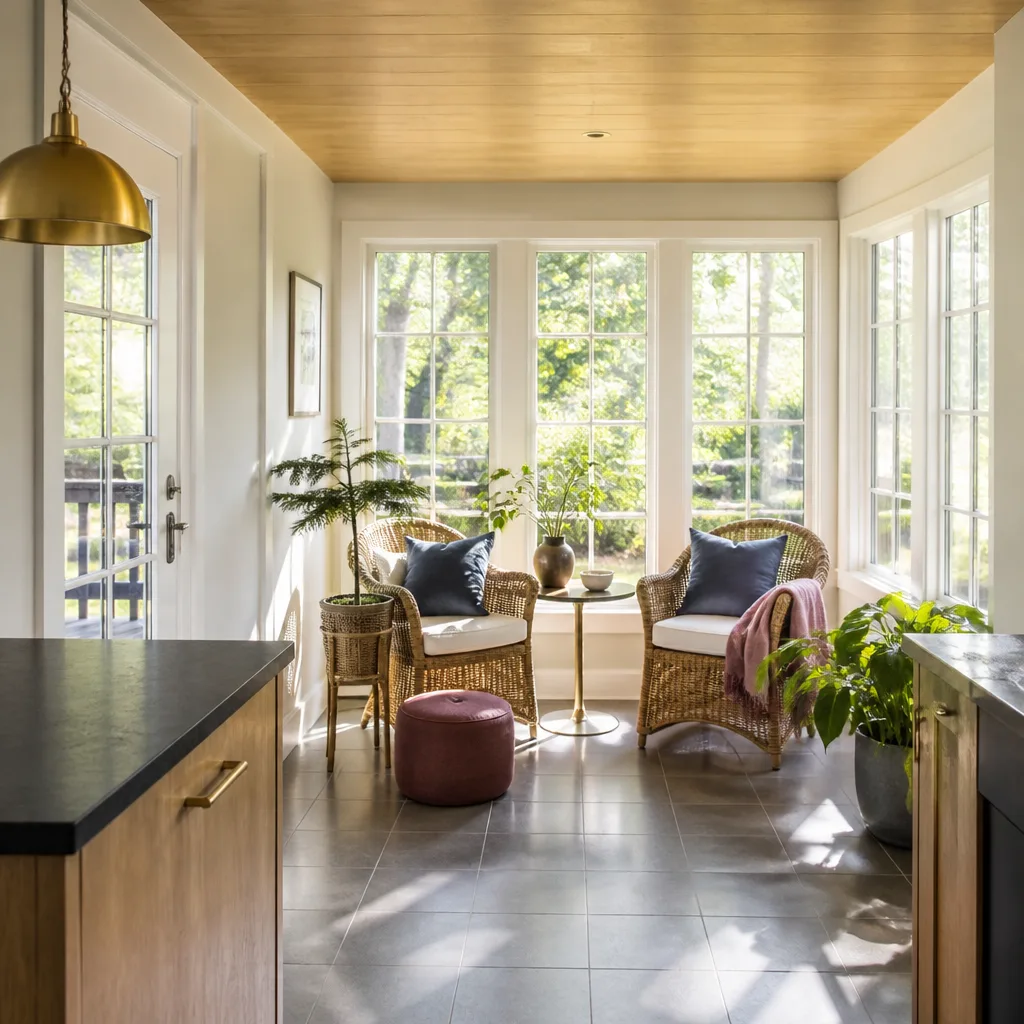
The Boxabl Casita is a 19-by-19-foot foldable dwelling unit delivered on a standard flatbed trailer. It comes with a kitchen, bathroom, living area, and a bedroom space, all finished at the factory in North Las Vegas. The starting price of $49,500 is real, and it includes the unit itself, factory finishes, and basic appliances.
Here’s what most homeowners don’t learn until they’re deep into the process: a Boxabl Casita is classified as a HUD-code manufactured home, not a site-built accessory dwelling unit. HUD code is a federal standard that governs manufactured housing construction, which means the unit gets a federal certification label rather than California’s standard ADU building approval. In Los Angeles, this changes which permit pathway applies, which zoning rules govern placement, and what inspectors will be looking for.
California ADU law (specifically the state’s streamlining provisions) tells cities they must approve ADUs under clear, objective standards. But a HUD-code unit enters the Los Angeles Department of Building and Safety system as a manufactured home installation, not a typical ADU construction project. LADBS still issues the placement permit, but the review process pulls in different requirements: HUD’s installation regulations, California’s manufactured home tie-down standards, and Los Angeles zoning rules about where a manufactured unit can sit relative to the lot’s primary dwelling.
This distinction trips up contractors who’ve only ever done stick-built additions. If you’re interviewing builders, ask directly: “Have you permitted a HUD-code manufactured home through LADBS in the last three years?” The answer tells you more than any portfolio photo.
Real Costs: What a Boxabl Actually Costs in Los Angeles
Boxabl’s $49,500 starting price ends at the factory gate. In Los Angeles, we’ve watched multiple homeowners work through this math, and the all-in number consistently lands between $115,000 and $175,000 for a properly installed, fully connected Casita. Here’s the breakdown:
- Factory unit: $49,500 to $65,000 depending on interior finishes, appliance package, and the solar roof option
- Delivery to Los Angeles County: $7,500 to $12,000 (distance-based, flatbed permitting, and escort requirements)
- Foundation: $15,000 to $25,000 (screw piles or a permanent concrete perimeter, depending on lot slope and soil conditions)
- Utility connections: $12,000 to $30,000 (sewer, water, and electrical runs from the primary dwelling or street, with trenching and backfill; LADWP and LADBS inspection fees add another $1,000 to $2,500)
- Permits and plan check: $4,000 to $9,000 (LADBS manufactured home placement fees, plan review, school fees, and potential impact fees)
- Site prep and grading: $3,000 to $12,000 (tree removal if needed, compaction, retaining walls if the lot slopes more than 6 inches)
- General contractor labor: $12,000 to $20,000 (crane or forklift placement, utility tie-in work, finish carpentry for skirting and decks, and coordination)
So the number Boxabl advertises is roughly one-third to one-half of your real all-in cost. That’s not a scam; it’s just factory pricing versus installed pricing. Smart homeowners build this full number into their budget before they put down a deposit.
The Permit Pathway: What LADBS Requires for a Boxabl in Los Angeles
Permitting a Boxabl in Los Angeles is doable, but it’s a different animal from permitting a wooden ADU. When we file this work through LADBS, here’s the paper trail we manage:
First, zoning check: Is your lot zoned for a second dwelling as a HUD-code manufactured home placement? Not all R-1 lots in Los Angeles treat manufactured homes identically, and some hillside zones carry additional fire safety requirements that site-built ADUs don’t trigger in the same way.
Second, the HUD data plate and certification label: LADBS verifies the unit’s federal certification matches the unit you’re actually installing. Missing labels are a hard stop. We’ve seen homeowners order used or older Boxabl units without complete HUD documentation, and the permit application stalls until Boxabl reissues it, which can take weeks.
Third, site plan and setback review: Los Angeles requires setbacks (the required gap between your new structure and the property line) even for factory-built housing. Boxabl’s foldable design doesn’t exempt it from this. A typical Casita needs a 4-foot rear setback and matching side setbacks in most residential zones, though some lots allow 3 feet under certain ADU provisions.
Fourth, foundation and tie-down plan: Even though a Casita arrives on wheels, LADBS will not permit it as a permanent dwelling unless it sits on an engineered foundation with proper tie-downs. That’s where the $15,000 to $25,000 foundation line item comes from; it’s non-negotiable.
Fifth, utility and drainage plan: Sewer connection, water supply, electrical service (usually a 60-amp or 100-amp subpanel from the main dwelling), and stormwater drainage. In some Los Angeles neighborhoods we’ve pulled permits in, the sewer lateral alone required a new line run to the street because the existing one shared capacity with the primary house.
If you’re working with a contractor who’s never seen a HUD-code unit through LADBS, expect delays. This process takes 3 to 6 months on average in Los Angeles, even when everything goes right.
Site and HOA Reality Checks Boxabl’s Marketing Doesn’t Mention
Here’s a truth most sales reps skip: even though California’s ADU law overrides local restrictions for site-built ADUs, that override does not apply cleanly to HUD-code manufactured homes. HUD-code units fall under a different legal framework, and in Los Angeles this matters enormously.
If your home sits within an HOA or a CC&R-governed community, your HOA’s declaration may prohibit manufactured homes entirely. California Civil Code restricts HOAs from banning ADUs outright, but the manufactured-home classification gives some HOAs a defensible position. We’ve consulted on Los Angeles projects where the HOA’s legal counsel argued successfully that a HUD-code Casita isn’t an ADU under the state’s definition, and the homeowner was left with a unit on order and no legal path to install it.
Before you order anything, pull your HOA’s CC&Rs and search for the words “manufactured home,” “mobile home,” “factory-built,” or “temporary structure.” If any of those appear in a restrictive context, talk to a Los Angeles land-use attorney before you sign a purchase contract.
Also check your lot itself. In hilly areas like Mount Washington, Echo Park, and parts of the Hollywood Hills, site prep costs can double the foundation line item. Sloped lots need retaining walls, engineered fill, and sometimes extended utility runs. On flat lots in the San Fernando Valley or South LA, costs sit at the lower end of the ranges above.
How Boxabl Compares to Other Prefab ADU Brands
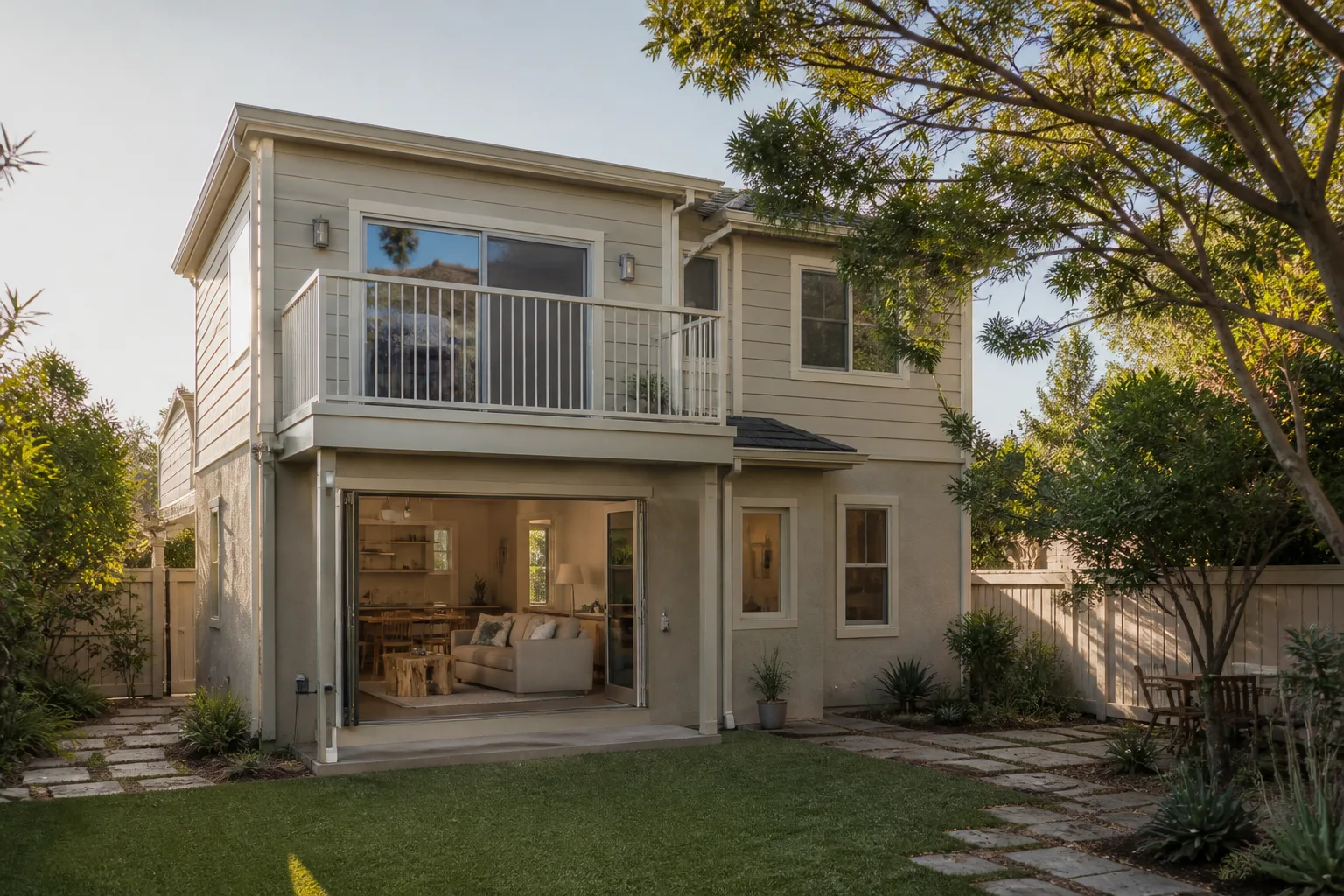
Boxabl isn’t the only factory-built housing option in Los Angeles. Abodu delivers pre-approved ADU models with a different compliance approach: their units are built under California’s state-level ADU certification, not HUD code, which sidesteps some of the manufactured-home complications. Cover builds panelized units to spec, with higher prices but more design flexibility. Dvele and Mighty Buildings offer premium factory-built homes with stronger energy performance and a higher per-square-foot cost.
Where Boxabl wins is initial price and delivery speed. Where it loses is the permit pathway and the foundation work, which costs about the same regardless of which factory-built unit you choose. If you’re cross-shopping, ask each brand directly: “What code path does your unit use, and have you completed installations in Los Angeles?” The answer tells you how much hand-holding you’ll need from a local contractor.
As a Los Angeles contractor, we’ve worked with several of these product lines, and we tell homeowners the same thing every time: choose the unit based on your lot and your long-term needs, not on the factory price. A $49,500 Boxabl that costs $150,000 to install legally may not be a better deal than a $160,000 site-built ADU that carries a standard California ADU permit and avoids the HUD-code complications entirely.
What to Ask a Contractor Before You Hire Them for a Boxabl Install
Finding a contractor who has actually permitted a manufactured or modular unit through LADBS is the single biggest determinant of whether your project finishes on schedule. Here are the questions we recommend every Los Angeles homeowner ask before signing:
- “How many HUD-code manufactured home placements have you permitted through LADBS?” Not ADUs generally; this specific classification.
- “Will you handle the utility connections under your license, or will I need separate subcontractors?” The answer should be that the contractor manages all of it.
- “Can you give me a written price for the full scope before I order the unit?” At Sutton ADU Builders, we deliver a written price before any work begins, always, no exceptions.
- “Who exactly will be on my property?” This matters more than most people realize.
That last question brings up something we take seriously. The Threshold Standard we operate under means every technician who steps onto your Los Angeles property is background-checked, identity-verified, uniformed, and photo-badged. You get their name and photo before they arrive. For homeowners who are often home alone, parents with young kids, or older homeowners, knowing exactly who’s coming is not a nicety; it’s a core safety expectation. We’re not the only company in Los Angeles that does this, but we’re one of the few that writes it into the contract.
The Bottom Line
A Boxabl Casita can absolutely work as a legal dwelling unit in Los Angeles, but the path is different from what the marketing implies. Budget $115,000 to $175,000 all-in. Expect a 3-to-6-month permit process. Verify HUD code compliance before ordering, check HOA restrictions carefully, and hire a contractor who has pulled this specific permit through LADBS before.
We’ve seen the good, the bad, and the expensive on these projects across LA, from the Valley up through the hills, and the homeowners who do well are the ones who treat the factory price as a starting point, not a final number. If you’re in Los Angeles and need help, Sutton ADU Builders offers free estimates. Call (472) 248-8213 and we’ll walk you through the real numbers before you commit.
Related services in Los Angeles: our team handles home additions, ADU construction, and room additions throughout Los Angeles County.
Frequently Asked Questions
A Boxabl Casita installed and permitted in Los Angeles typically costs between $115,000 and $175,000 all-in. That includes the $49,500 to $65,000 factory unit, $7,500 to $12,000 delivery, $15,000 to $25,000 foundation work, $12,000 to $30,000 in utility connections, $4,000 to $9,000 in permits, and $12,000 to $20,000 in contractor labor. Call (472) 248-8213 for an exact quote; estimates are free.
Yes, a Boxabl Casita can be legally installed in Los Angeles, but it’s classified as a HUD-code manufactured home rather than a standard ADU. This affects the permit pathway through LADBS, the foundation standards, and HOA exposure. Some HOAs in Los Angeles can legally restrict manufactured homes even though state law protects ADUs. Call (472) 248-8213 and we’ll check your specific situation before you order a unit.
Expect 3 to 6 months from permit application to final inspection for a Boxabl installation in Los Angeles. The delivery and physical installation itself takes only a day or two. The rest is LADBS plan check, foundation construction, utility tie-ins, and inspections. A contractor who has already permitted HUD-code units through LADBS can move faster than one figuring it out for the first time. Call (472) 248-8213 for a realistic timeline based on your lot.
Not necessarily. A Boxabl Casita at $115,000 to $175,000 all-in often costs similar to or slightly less than a basic site-built ADU of similar square footage in Los Angeles, which typically runs $180,000 to $320,000 depending on finishes. The trade-off is speed and factory quality control versus design flexibility and a simpler permit pathway. Call (472) 248-8213 and we’ll give you honest numbers for both options.
Written by Miles Hartwell, Owner at Sutton ADU Builders, serving Los Angeles since 2006.
Need ADU Help?
Call Sutton ADU Builders - licensed & insured, here with fast after-hours help in Los Angeles.
(472) 248-8213