James Hardie Room Addition Contractor in Los Angeles: What to Know First
As an independent James Hardie room addition contractor in Los Angeles, we handle the full build: footings and framing to siding, trim, and exterior detail. Most homeowners come to us when they’re planning a room addition and want the new exterior matched to their existing James Hardie siding, or when a previous contractor left the Hardie work incomplete or done wrong. A typical room addition with James Hardie exterior finishes takes 10 to 16 weeks from permit to final inspection, and we give you a written price before any work begins. No allowances, no “we’ll see how it goes.” Call (472) 248-8213 and we’ll walk the site, talk through your walls, and tell you what it actually costs.
How James Hardie Products Fail – and How We Fix Them
We’ve worked on enough Los Angeles room additions to know that James Hardie siding rarely fails on its own. What fails is the installation around it: the flashing, the joints, the fasteners, and the transition details where the new addition meets the old house. Here are the failure modes we see most often on room additions in LA, and what we do about them:
- HardiePlank lap siding nail pops and waviness at the addition junction. When a room addition meets the original house, differential settling is normal, but HardiePlank is unforgiving at attachment points. If the original installer nailed too close to the edge or drove fasteners too deep, you’ll see wavy courses and popped nails within the first 18 to 24 months. We pull the affected boards, inspect the shear and framing behind them, and reinstall with the correct fastener schedule and edge clearance James Hardie specifies.
- HardiePanel vertical siding with joint caulk that cracks and admits moisture. HardiePanel’s 4×8 and 4×10 sheets leave fewer horizontal joints, but the vertical seams and the sill-to-panel transition are prime spots for failure. In Los Angeles, we get big temperature swings between the Santa Monicas and the valleys, and cheap caulk hardens, cracks, and lets water run behind the panel. We cut old caulk out, inspect for rot or pest intrusion, and replace with a high-quality sealant rated for fiber cement, then repaint the joints to match.
- HardieTrim boards swelling at cuts around windows and door openings. HardieTrim (the 5/4 and 4/4 boards) needs every field cut sealed, primed, and painted. If the trim was cut and left bare at the job site, or painted only on the face, moisture collects at the cut ends and the boards swell and lose their reveal. On room additions in Los Angeles, we see this most often on south- and west-facing walls that take the afternoon sun followed by cool, damp nights. We replace the trim, seal every cut end, and set the nail heads with proper corrosion-resistant fasteners.
- HardieSoffit panels sagging between vents and eaves at the addition roofline. HardieSoffit is a 1/4-inch fiber cement product, and when ventilation or eave framing is off-spec, or the installer spaced supports too widely, the panels belly and can pull off the fasteners entirely. In rooms with high ceilings, the soffit on the addition tends to get overlooked until it’s visibly sagging. We rework the support framing at the eaves, replace the panels, and match the existing reveal spacing so the fix disappears into the roofline.
- Improper clearance of HardieBacker cement board at the addition’s interior wet areas. James Hardie makes HardieBacker for tile substrates in bathrooms and laundry rooms, and plenty of room additions in LA include a bathroom or a wet bar. The board is dimensionally stable, but it needs a 1/8-inch gap at all changes of plane, and the seams need alkali-resistant mesh tape. When those details get skipped, the tile grout cracks along the wall-to-floor transitions and the homeowner ends up chasing water damage. We tear out and redo the substrate so your tile has a proper base.
Our James Hardie Room Addition Contractor Process
We keep the sequence simple so you always know what’s next. Here’s how a James Hardie room addition runs with us:
- 1
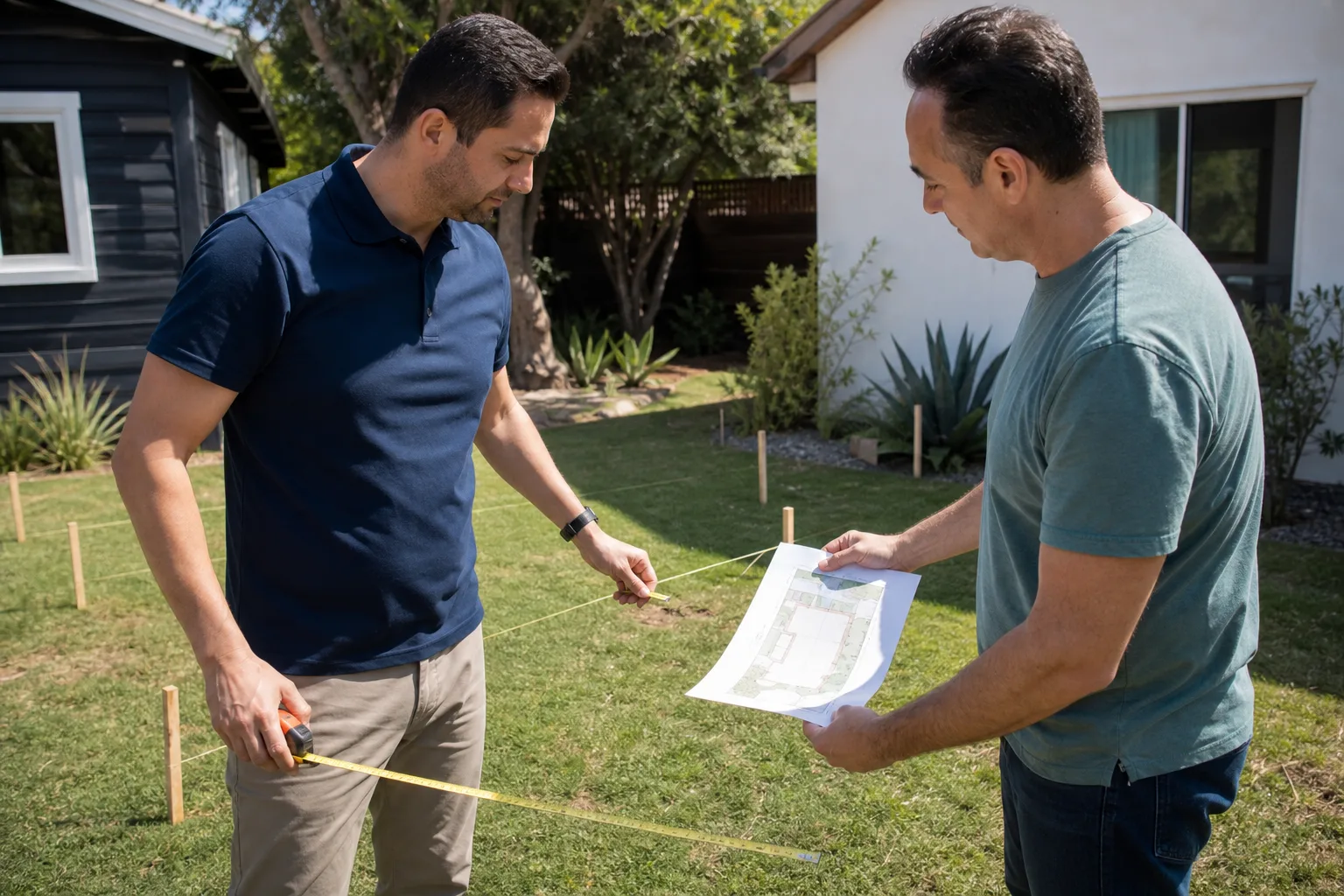
Site visit and existing assembly review. We measure the existing Hardie siding, note the product line, the exposure, the reveal spacing, and the paint history, then walk the new addition footprint. You know who’s coming before we arrive: name and photo sent ahead, photo ID badge shown at the door.
- 2
Written scope and price. You get a line-item written price before any work begins, covering footings, framing, weatherproofing, Hardie siding, trim, and finish painting. If something isn’t in the scope, it isn’t in the number.
- 3
Permit and plan coordination. We pull permits for the addition and coordinate with the city on setbacks and building envelope requirements. Los Angeles has its own rhythm on plan checks; we manage that so you don’t have to chase the counter.
- 4
Build: frame to weathertight, then Hardie to finish. We frame, sheath, flash, and dry-in the addition. Then we install the Hardie siding, trim, and soffit in the same product line and reveal as your existing exterior, with correct fasteners, gaps, and sealant at every joint and transition.
- 5
Finish and test. Paint, caulk, hardware, and a final walk-through where we show you every transition detail and give you the maintenance notes on your exact Hardie products.
- 6
365-Day Done Right Promise. Every completed project carries a written guarantee: defects in workmanship are corrected for one full calendar year from project completion. Free second visit if anything fails. No haggling, no fee.
What James Hardie Room Addition Contractor Costs in Los Angeles
Straight numbers, because you deserve them. A modest room addition (120 to 200 square feet, e.g., a home office or guest bedroom) finished with James Hardie siding and trim in Los Angeles runs $42,000 to $78,000 including foundation, framing, electrical, drywall, finish, and paint. A larger addition with a bathroom (200 to 400 square feet) typically lands between $85,000 and $150,000. Detached or attached ADUs done as room-additions-plus range $180,000 to $320,000 before site work, depending on foundation conditions and utility runs. What moves the price most: soil and foundation work on hillside lots, matching stone or brick veneer details, and the condition of the existing house’s tie-in points. Hardie product choice matters too: HardiePlank lap is the most economical, HardiePanel runs slightly higher installed, and HardieTrim and HardieSoffit add per linear and square foot. Call (472) 248-8213 for an exact written quote. Estimates are free.
Why Los Angeles Homeowners Call Sutton ADU Builders for James Hardie Work
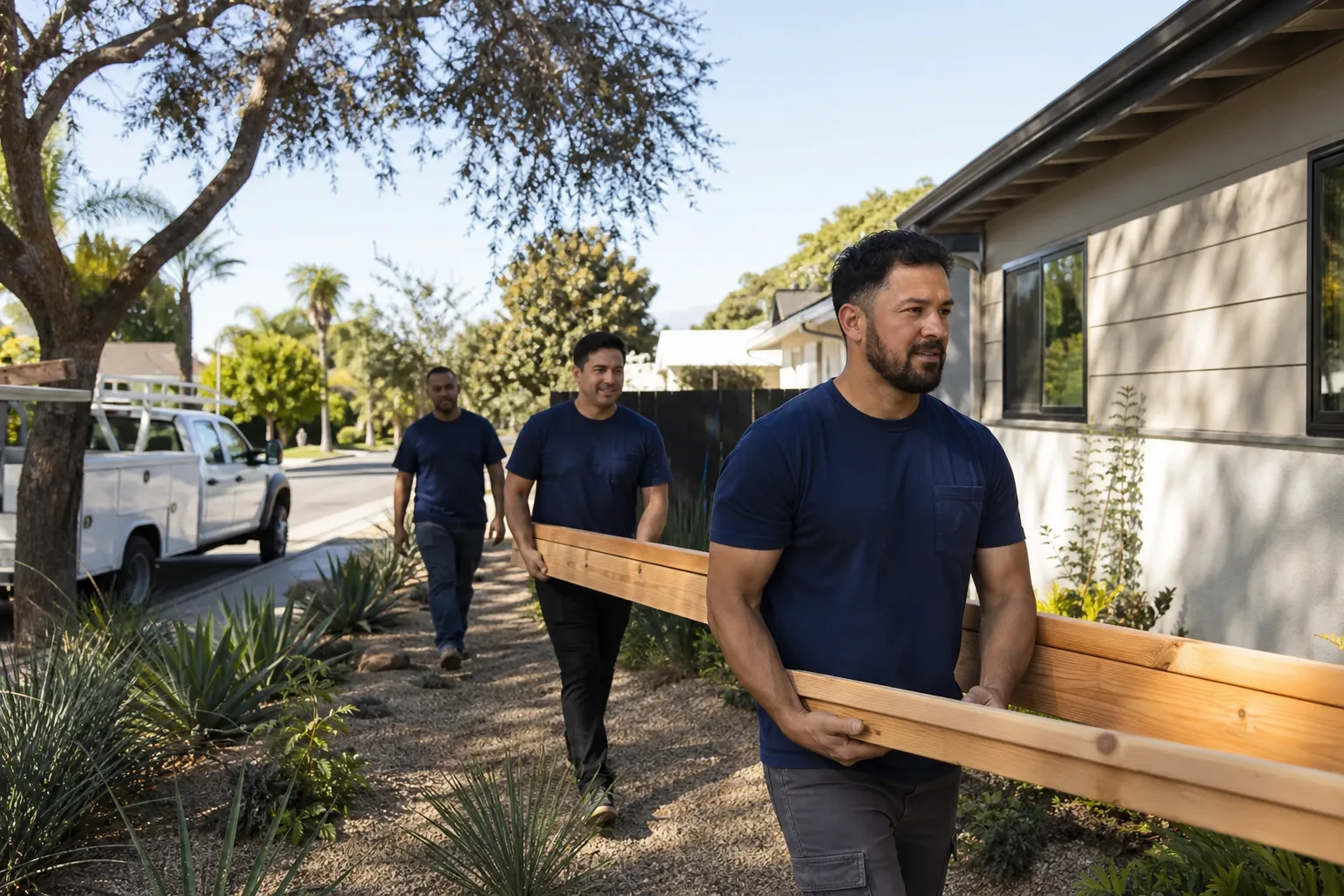
Miles Hartwell, our owner, grew up in Eagle Rock and has been building in Los Angeles for two decades. He’ll tell you the same thing on the phone he’ll tell you standing in your front yard: every dollar gets named, every crew member gets verified, and every James Hardie detail gets matched. We’re the addition contractor that runs every job under the Threshold Standard: background-checked, identity-verified, photo-badged technicians whose name and photo are sent to you before they arrive. We maintain fluency with leading ADU brands too, including Abodu, Cover, and Dvele, plus Tuff Shed conversions, so when we plan your room addition, we’re not guessing at how the new exterior meets the old. And we back the finished work with the 365-Day Done Right Promise: if it isn’t right within a full year, we make it right, in writing, on every project. No surprises. No strangers. No loose ends.
FAQs
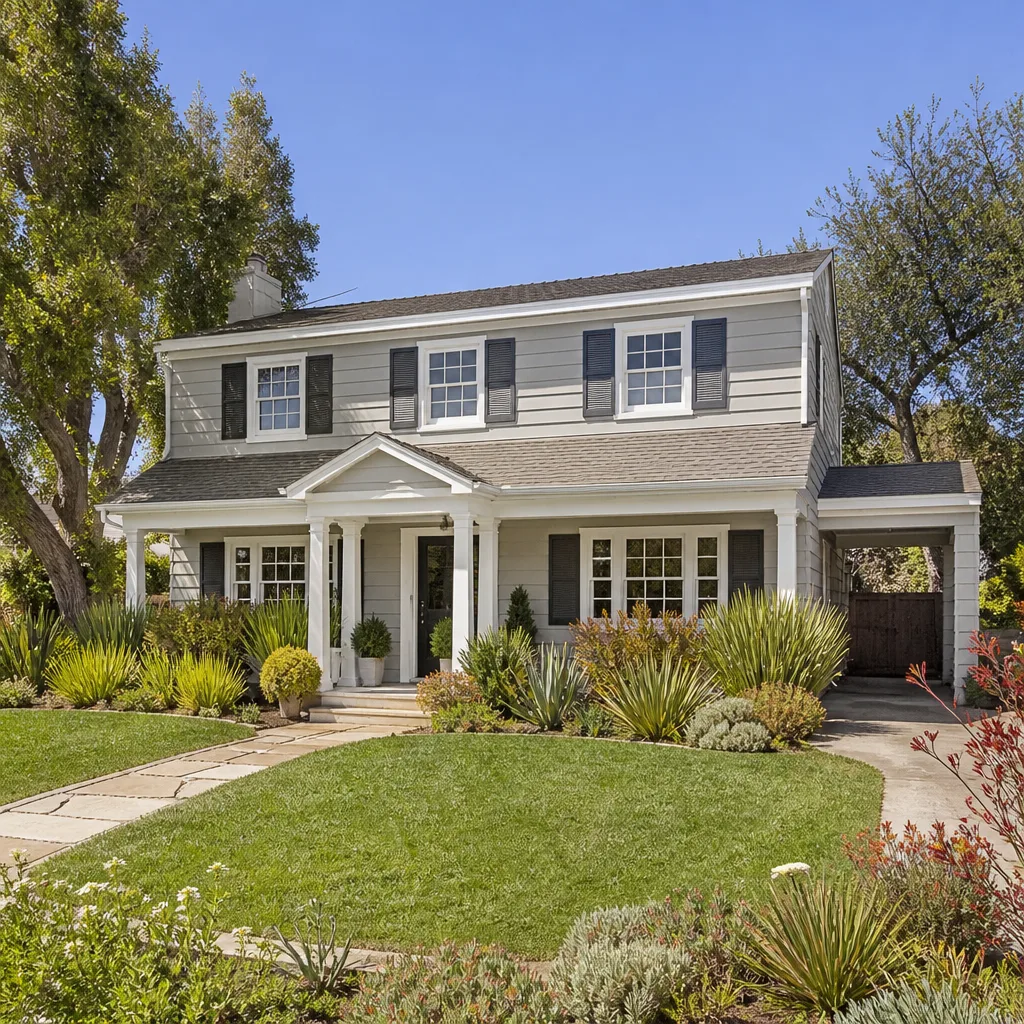
No, adding to your house does not void James Hardie’s product warranty on the existing siding, as long as the new work meets the manufacturer’s installation requirements. As an independent James Hardie service provider, we install to the current published specs, and we document every step so you have a record if you ever need to file a claim.
We’ll flag it, photograph it, and give you a written addendum with a specific price before we touch it. We don’t do surprise invoices. If the damage affects the structural connection between the old house and the new addition, we bring it to your attention the same day, not at the final walk-through.
On room additions in Los Angeles, we specify genuine James Hardie fiber cement products: HardiePlank, HardiePanel, HardieTrim, HardieSoffit, and HardieBacker. We’ll only discuss a substitute if a product is back-ordered and you approve it in writing. That’s rare. Most supply issues resolve within a few days through our local LA distributors.
Most additions run 10 to 16 weeks depending on permit timing and site conditions. The James Hardie exterior work itself typically happens in the final two to three weeks, but we order the siding, trim, and fasteners early so the product is on-site and acclimated before installation day, and no one’s standing around waiting on a truck.
In most cases, yes. We match the product line, the lap exposure or panel layout, the reveal spacing, and the trim style, and then we repaint so the new and existing sections blend. If the existing siding has 20 years of sun fade, the new paint may sit slightly brighter at first, and we’ll tell you that upfront, along with the cure time before it starts to settle.
Written by Miles Hartwell, Owner, Sutton ADU Builders at Sutton ADU Builders, serving Los Angeles and nearby areas.