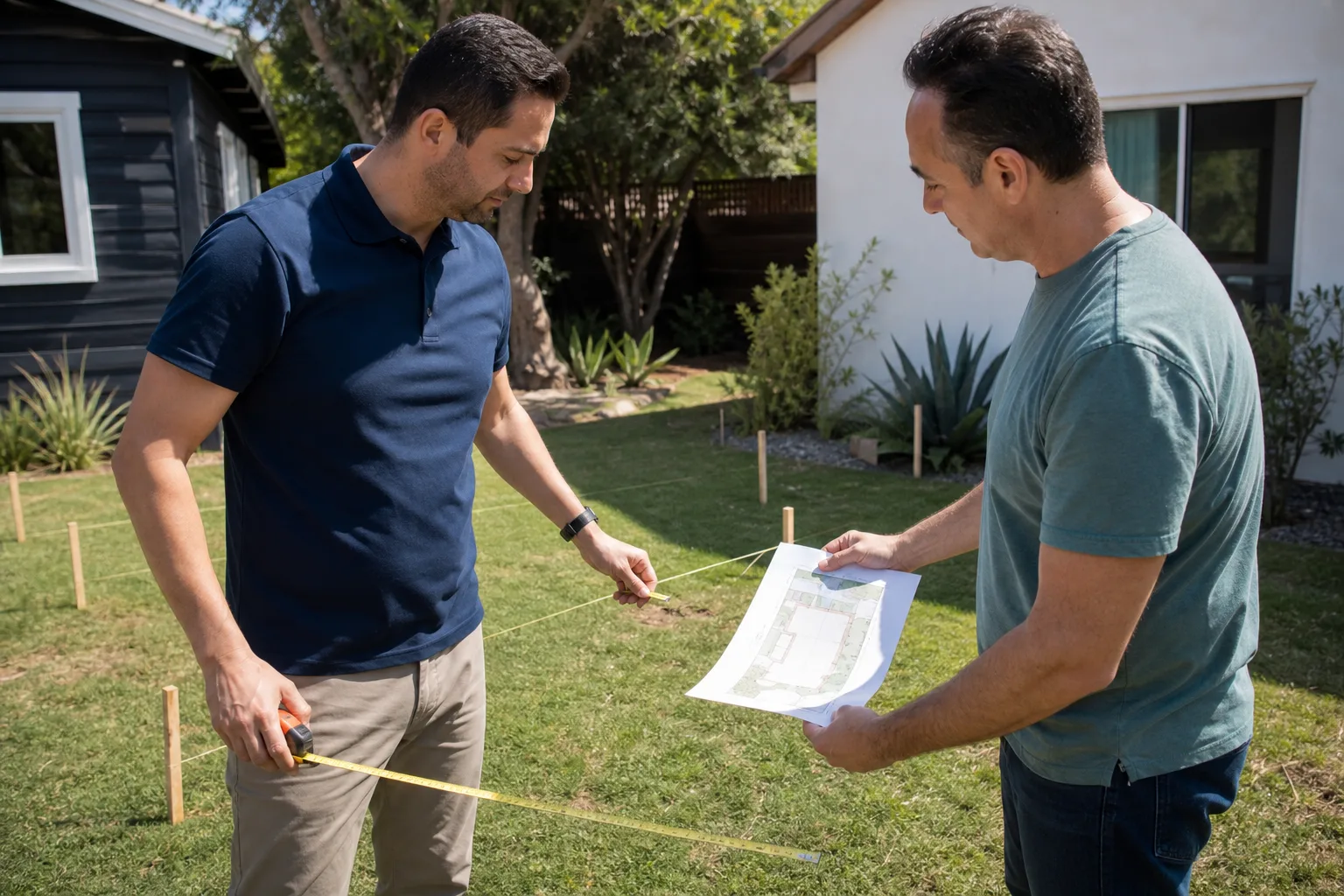
A free site visit, a check of what your lot allows and a written, line-item price.
Get your free estimateFast, Reliable Home Addition Contractor Across West Puente Valley
If you’re planning a home addition in West Puente Valley, the first thing to understand is that your permits run through LA County’s Department of Regional Planning, not a nearby city hall. That changes the timeline, the plan review, and the foundation checks you’ll face. We know this because our crews have worked the unincorporated pockets of West Puente Valley from Merced Avenue down to San Angelo Avenue, and we’ve seen which details the county flags and which ones slide through. Call (472) 248-8213 for a free estimate, and Miles Hartwell will walk you through what your specific lot needs before you spend a dime on drawings.
Why Sutton ADU Builders Is West Puente Valley’s Preferred Home Addition Contractor
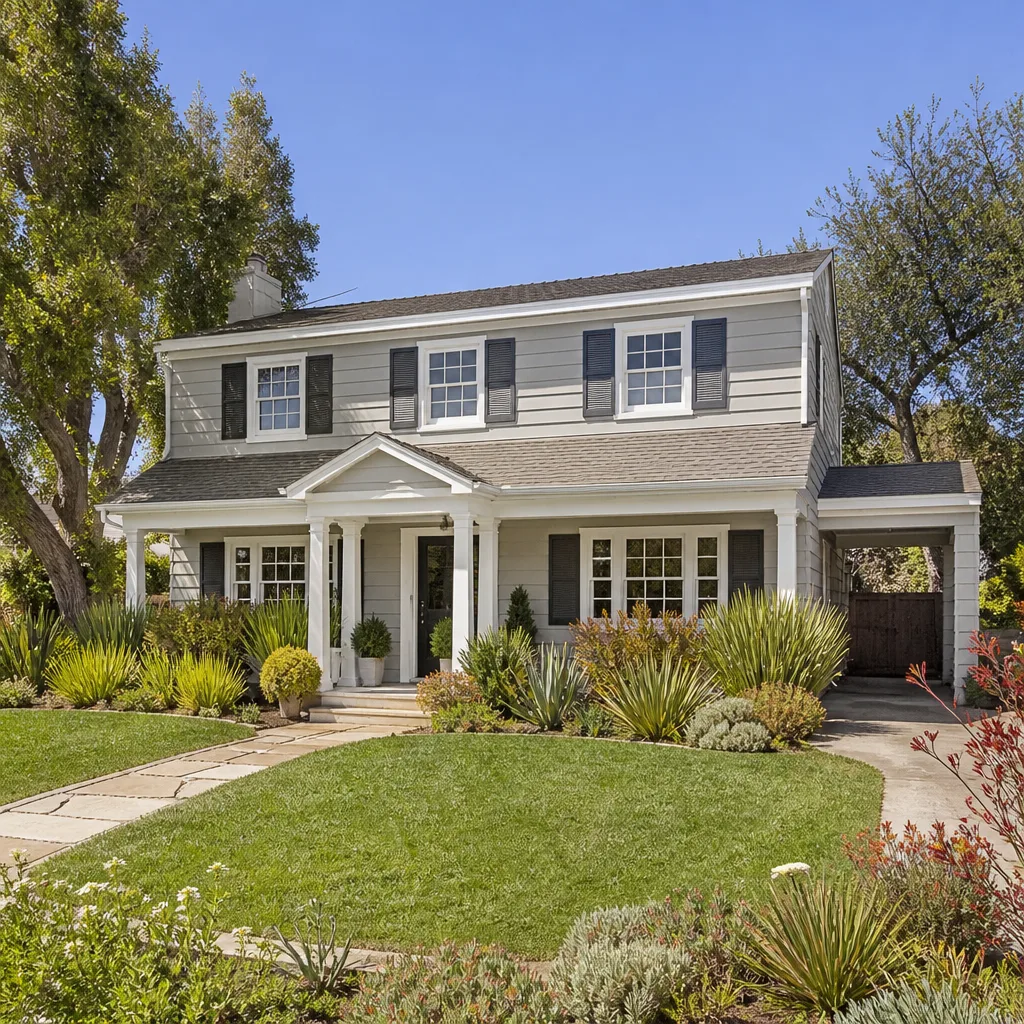
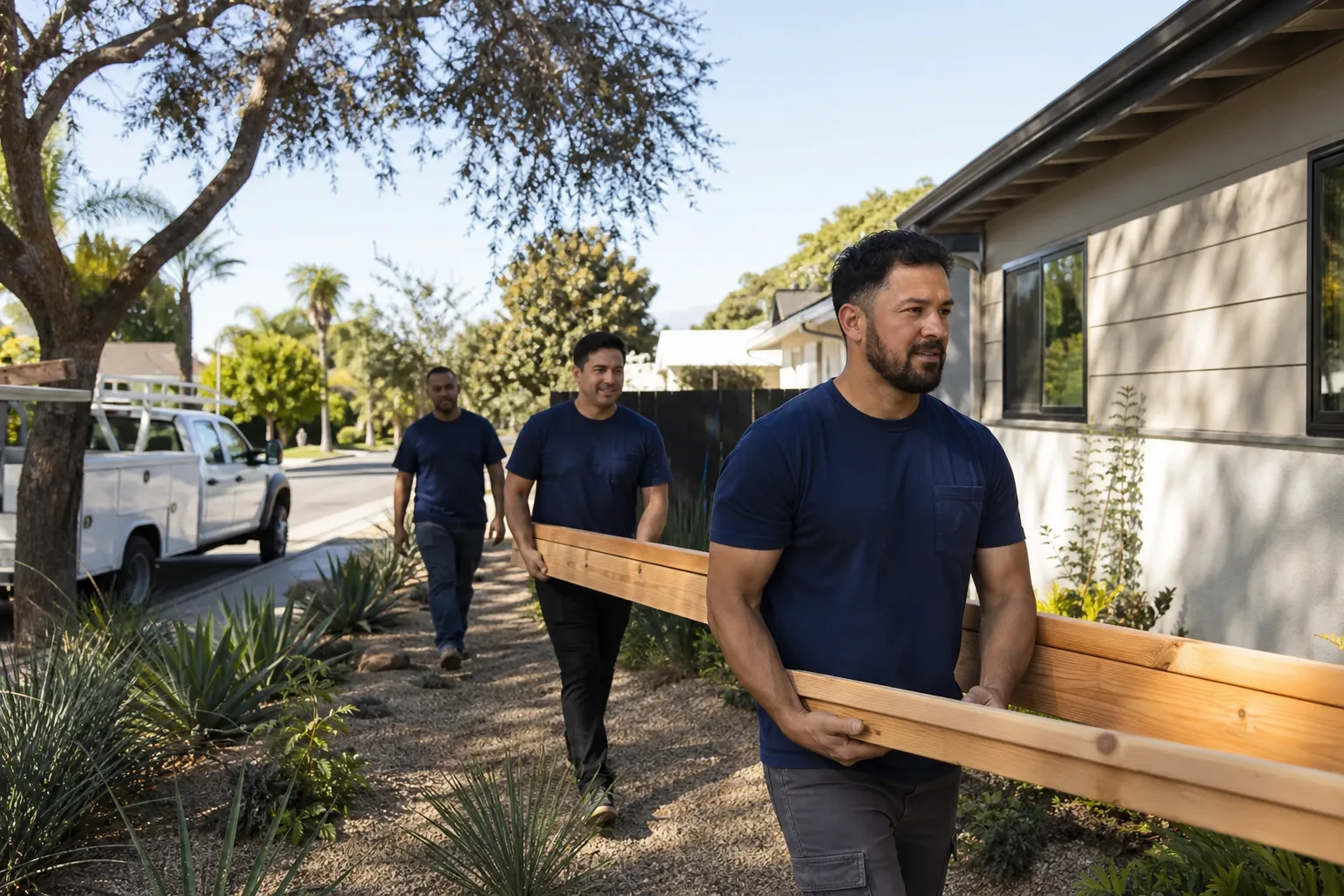
West Puente Valley homeowners tend to ask the same three questions before they let anyone on the property: who is coming, what will it cost, and will the work hold up. We answer the first one with a name and a photo before the visit. Every Sutton technician is background-checked, identity-verified, and photo-badged under our Threshold Verified standard. You’ll know exactly who is pulling up to your house before they ring the bell.
The second question gets a written price before any tools are lifted. Not a ballpark. Not a verbal. A line-item number you can hold us to. And the third question is covered by the 365-Day Done Right Promise: if anything we built fails within a full calendar year, we fix it. No haggling, no fee. That’s the Threshold Standard, and it’s stamped on every West Puente Valley project we take.
Our Home Addition Contractor team has worked on the mid-century tract homes that dominate the neighborhoods off Amar Road and around Nogales Street. We know the slab-on-grade foundations, the sewer laterals, the setback lines. Scheduling is coordinated from our Los Angeles office, but the crews working on your addition are dispatched locally and know this unincorporated community well.
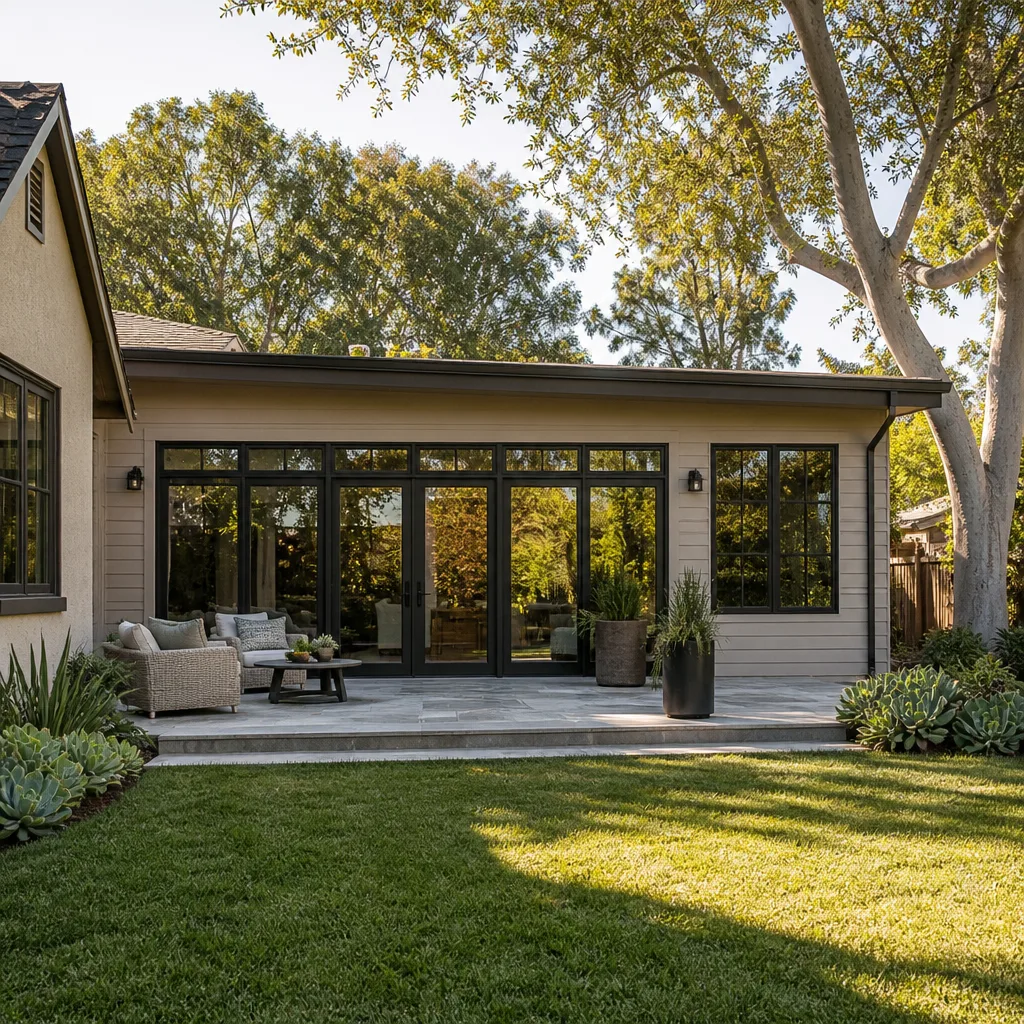
Sunroom Addition in West Puente Valley
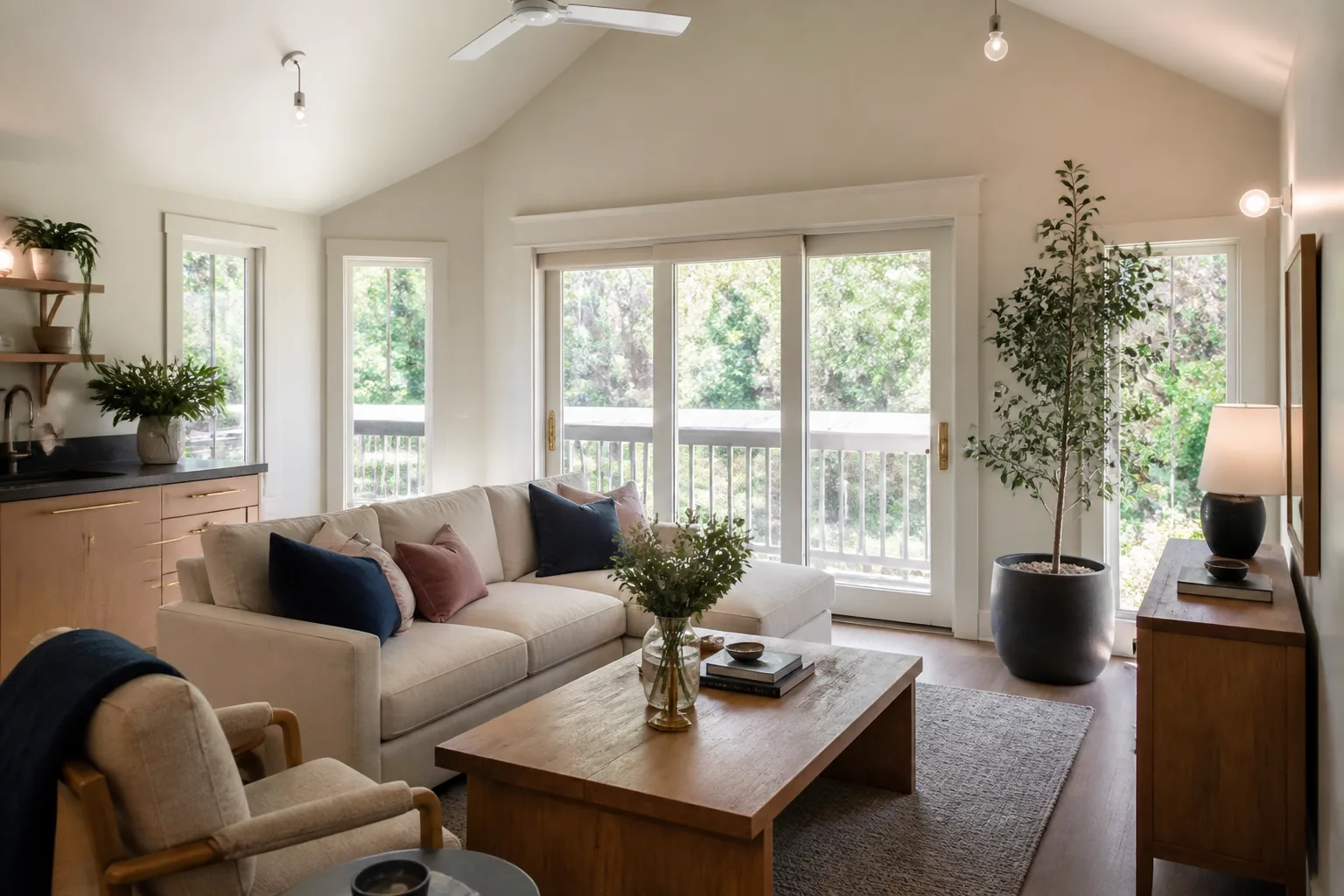
A Sunroom Addition in West Puente Valley typically runs between $42,000 and $95,000 depending on whether you’re building a simple three-season room or a fully conditioned living space with insulation, HVAC, and upgraded glazing. The county treats a sunroom as a habitable addition when it’s heated or cooled, which means it triggers the same plan review and energy compliance checks as any other room.
Most West Puente Valley sunrooms go up on the back or side yard of a 1950s or 1960s ranch. The practical question is always the same: can the existing slab carry new walls without cracking? The answer is often yes for a single-story sunroom, but we still recommend a soils report before any plan set is submitted. LA County’s regional planning counter has grown increasingly strict about foundation documentation, and it’s cheaper to know the soil condition before you draw than after they reject your first submittal.
The Permit Path for Sunrooms
Because West Puente Valley is unincorporated, your sunroom drawings go to LA County’s Department of Regional Planning, not West Covina City Hall. That’s a distinction that catches a lot of homeowners off guard. A contractor who has only pulled permits inside city limits may not know the county’s green building checklist or its Title 24 energy requirements, and that’s where projects stall. Our team handles the county submittal directly and has done it enough times to know which details the plan checker will want in writing.
Foundation Checks on Older Slabs
If your home sits on the original 1950s slab, expect the county to ask for a foundation verification. We bring in a licensed geotechnical engineer who tests the soil and confirms bearing capacity before the plans go in. This added step runs a few thousand dollars, and we include it in your written estimate up front. The homeowners who skip it are usually the ones whose projects come back with a redlined correction notice months later.
Second Story Addition Contractor in West Puente Valley
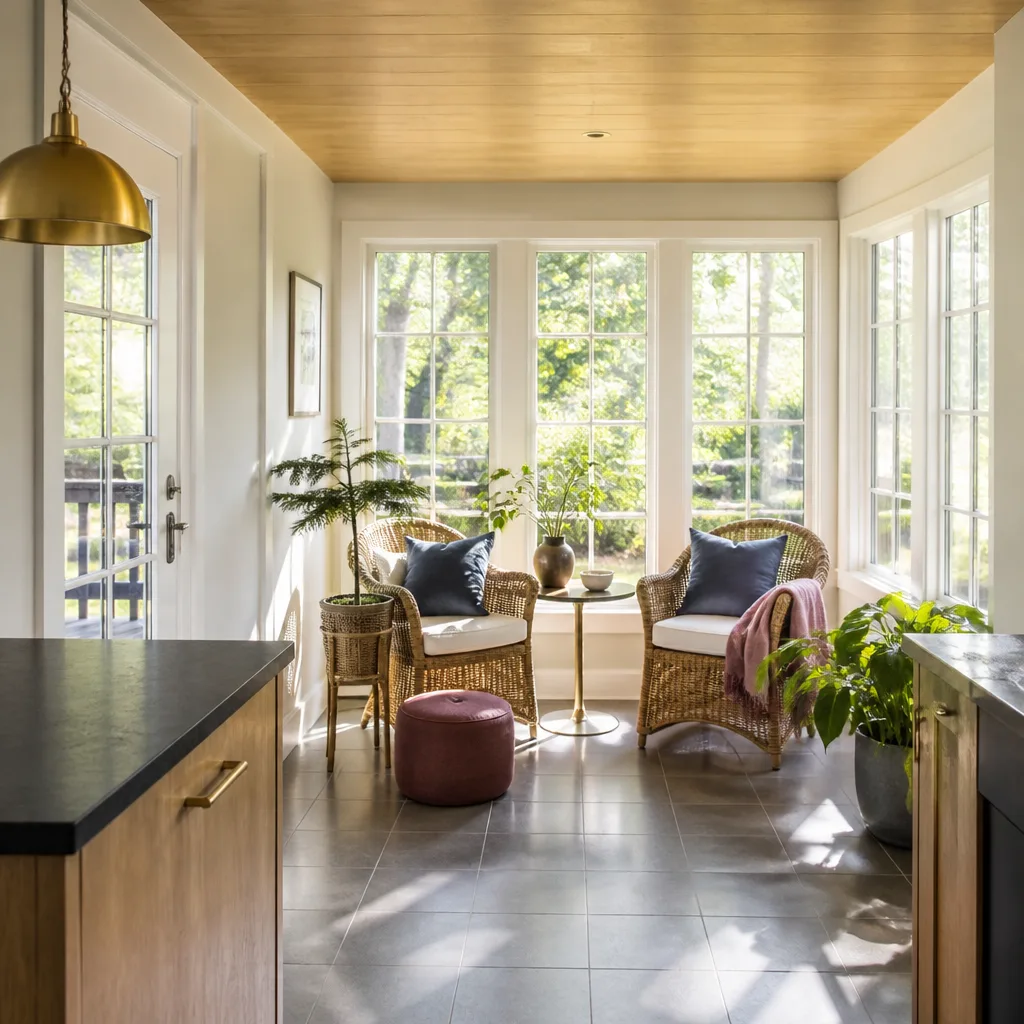
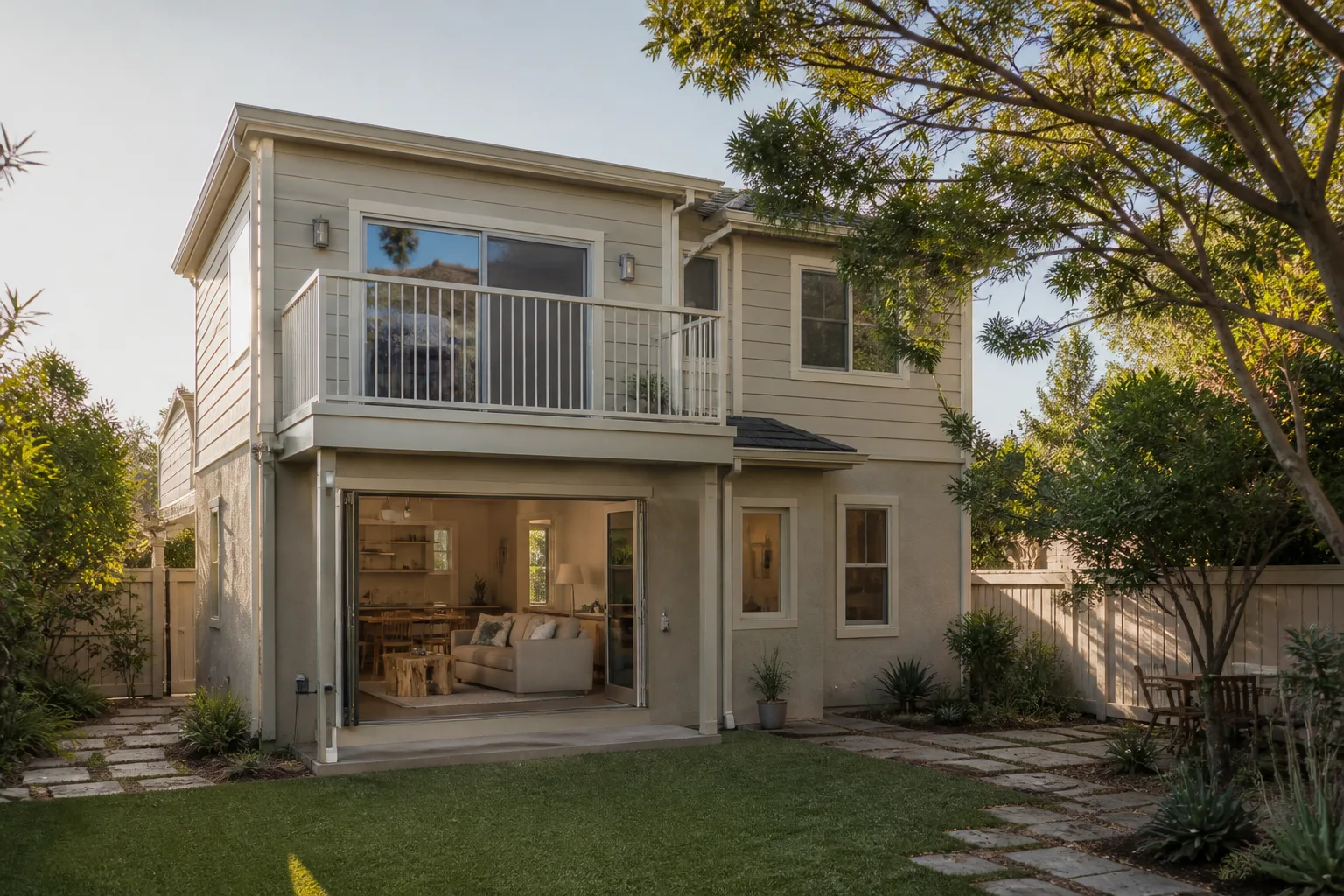
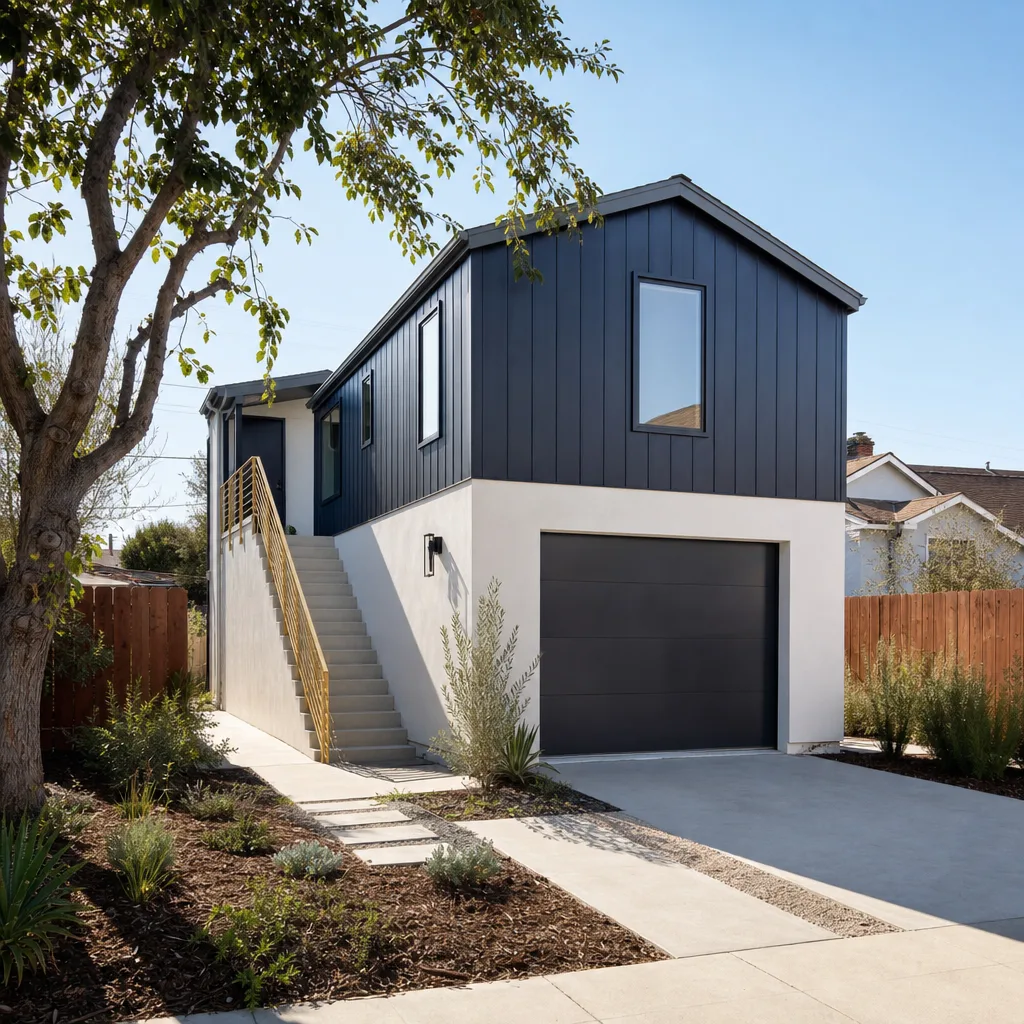
A Second Story Addition Contractor in West Puente Valley has to solve one problem before anything else: whether the original first-floor framing and footing can take the weight of a second level. On the 1950s and 1960s tract homes common here, the answer is often no, not without underpinning and a shear retrofit. Full second-story additions in West Puente Valley run roughly $180,000 to $420,000 depending on square footage, roofline complexity, and how much structural work the existing home requires.
We learned this the hard way on a project near Echevarria Street, where our crew was converting a flat-roofed 1950s addition into a second-story primary suite. We discovered the existing footing was only 12 inches deep and had to underpin before framing. We used James Hardie siding to match the original stucco finish after plans went through LA County’s regional planning counter, and a prefab panel package from Plant Prefab helped keep the framing dry-in on schedule. The final inspection passed after we added a shear retrofit to tie the new story into the original wall line.
What the County Looks For
LA County plan reviewers in the unincorporated zones commonly flag second-story additions on slab-on-grade homes for one of two reasons: missing foundation documentation or insufficient structural tie-in detail. We prepare for both. Before any drawing goes in, we run a structural assessment of the existing walls and slab. If underpinning is needed, that’s in the estimate. If a shear retrofit is needed, that’s in the estimate too. The goal is to have no surprises when the permit comes back.
Matching the Original House
A second story that looks bolted on hurts the home’s resale value in West Puente Valley, where most streets are lined with simple ranch and mid-century styles. We match rooflines, eave overhangs, and siding profiles carefully. James Hardie lap siding in a smooth or stucco-textured finish blends well with the 1950s stucco boxes that dominate the area, and we’ve used it on multiple additions to keep the original character intact while adding real living space.
Trusted Brands We Service in West Puente Valley
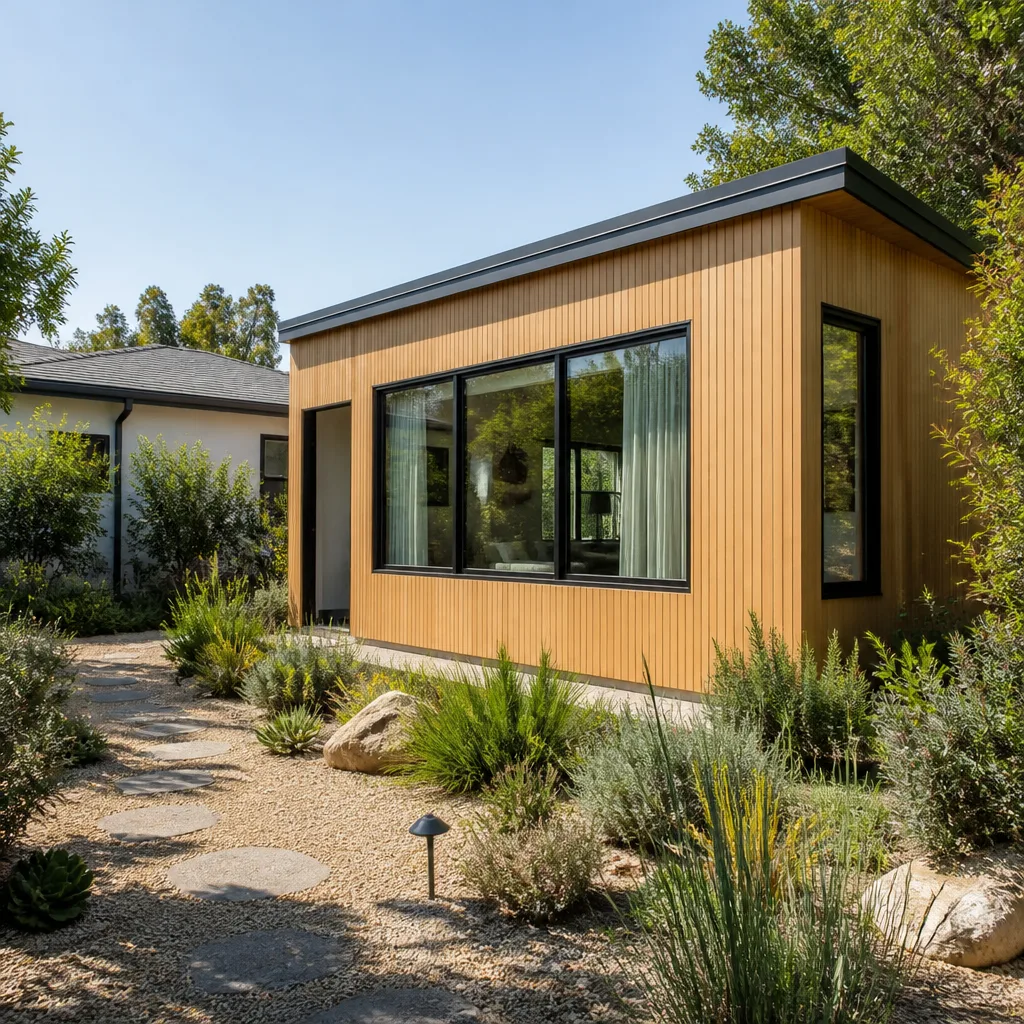
We work with several prefab and panelized manufacturers, including Abodu, Cover, and Plant Prefab, and we can advise honestly on which makes sense for a West Puente Valley lot. An Abodu or Cover unit can work well as a detached addition when the existing home can’t support a second story. Plant Prefab’s panel systems have helped us speed up framing on tight lots where weather and delivery windows matter. We also install James Hardie exterior cladding systems on both new additions and re-skins. The catch in West Puente Valley is always access: many streets are narrow, and delivery trucks for prefab modules need to be confirmed against your lot’s driveway and street width before you commit to a factory-built unit.
Common Home Addition Contractor Problems We See in West Puente Valley Homes
- Permits pulled from the wrong agency. West Puente Valley is unincorporated LA County. Homeowners who file with West Covina or another nearby city get bounced back, losing weeks. We verify jurisdiction before any plan set is submitted.
- Slab-on-grade foundations that can’t take the load. Many mid-century homes near Amar Road and Merced Avenue sit on shallow, unreinforced slabs. A second story or a heavy sunroom needs a soils report and often underpinning, which the county will require at plan check.
- Prefab delivery blocked by narrow streets. Lots along Nogales Street and the older residential blocks off it can have driveways too narrow for module trucks. Confirming access width before ordering a factory-built unit avoids crane and offload delays that run into real money.
- HVAC and insulation gaps in older homes. The 1950s and 1960s tract homes here were never insulated to modern Title 24 standards. When we add a conditioned sunroom or second story, the county requires the new space to meet current energy codes, which often means upgrading the existing attic or wall insulation in the addition zone.
Pricing for Home Addition Contractor in West Puente Valley, CA
Sunroom additions in West Puente Valley generally run $42,000 to $95,000. Second-story additions run $180,000 to $420,000, with the wide range driven by structural work, roofline changes, and whether you’re gut-renovating the existing first floor at the same time. A modest bump-out of 120 to 200 square feet runs $60,000 to $130,000. These are all-in numbers before design fees, permit fees, and any owner-selected finishes.
The biggest cost drivers in West Puente Valley specifically are foundation capacity and jurisdiction. A home that needs underpinning before framing will add $15,000 to $40,000 depending on access and soil conditions. A plan check that catches a missing structural detail can add six to ten weeks, which has real carrying costs if you’ve already committed to financing. We give you a written price that covers the structural work we can see and flags the work we can’t confirm until the walls are open. Call (472) 248-8213 for a free estimate from Miles Hartwell, and you’ll have a number you can actually plan around.
We Also Serve Cities Near West Puente Valley
If you live just outside West Puente Valley, we also serve homeowners in Los Angeles, Long Beach, Anaheim, and Riverside. Each city has its own building department and plan review quirks, and we’re familiar with all of them. Whether you’re in an unincorporated pocket like West Puente Valley or inside city limits, the Threshold Standard applies: written price first, background-checked crew, and a 365-day guarantee on the work.
Serving West Puente Valley, CA - Our Local Coverage Area
We’re based in the West Puente Valley area and know this community well. Use the map below to see our service coverage - if you’re nearby, we can almost certainly help.
FAQs About Home Addition Contractor in West Puente Valley
You need LA County approval, because West Puente Valley is unincorporated and falls under the county’s Department of Regional Planning, not West Covina. Filing with West Covina will bounce the application back and waste weeks. Our team confirms jurisdiction before any drawings are submitted, so your permit goes to the right agency the first time.
Plan on five to nine months from first drawings to final inspection. The LA County plan review for a second-story addition on a slab-on-grade home typically takes eight to fourteen weeks, and structural corrections can add more time. Framing and dry-in usually take six to ten weeks, with finishes adding another two to three months. Underpinning, if needed, adds two to four weeks before framing starts.
The 1950s and 1960s tract homes here were built on shallow, often unreinforced slabs. A single-story sunroom can usually go on top of the existing slab with minor prep, but a second story almost always requires a soils report, foundation verification, and often underpinning plus a shear retrofit. The county will ask for this documentation at plan check, and it’s far cheaper to have it ready than to get a rejection notice.
Yes, for detached additions and ADUs. Abodu and Plant Prefab units have been delivered to West Puente Valley lots successfully, and we’ve installed them. The thing to confirm early is your street and driveway width, because module delivery trucks need clearance that some older residential streets here don’t offer. We check access before you commit to a factory-built unit so you’re not paying for a crane that can’t fit.
The honest answer: structural conditions hidden inside the walls or under the slab. A footing that’s shallower than expected, rotted sill plates, or a sewer lateral in the wrong place can add real cost. That’s why we write our estimates with a documented structural assumption section and flag anything we can’t confirm until demo. Any change is priced in writing before we touch it. Call (472) 248-8213 for a free estimate and we’ll show you exactly how the number is built.
Written by Miles Hartwell, Owner at Sutton ADU Builders, serving West Puente Valley’s unincorporated neighborhoods and greater Los Angeles County since 2006.