Last updated October 9, 2026
Choosing the Right ADU Brand: A Buyer’s Guide for Los Angeles
Several prefab ADU companies quote “starting at $89,000” in Los Angeles. That number excludes the site work, foundation, utility connections, and permit fees that routinely add $60,000 to $120,000 to the final invoice. The configurator on their website never mentions this gap, and most buyers don’t discover it until the contract is already signed. This guide walks through how to compare a prefab brand quote to a site-built bid line by line, who actually holds the permit on an LA project, what the warranties really cover, and the five questions you should ask any ADU brand before signing anything. For a deeper look at the full process, see The Complete Guide to ADU in Los Angeles.
Quick Answer
The right ADU brand for a Los Angeles property depends less on the brand name than on who holds the permit, what the quoted price actually includes, and whether the crew arriving at your door is verified. Prefab brands like Abodu, Cover, and Dvele offer real advantages in speed and factory consistency, but their base quotes exclude foundation, utility, and site work that site-built contractors include from day one. Ask for a written, line-item price from both paths before comparing them.
Table of Contents
- Prefab vs. Site-Built: What the Terms Actually Mean in Los Angeles
- The Line-Item Comparison: Prefab Quote vs. Site-Built Bid
- The Permit Accountability Question: Who Is the Contractor of Record?
- Warranty Comparison: What the Manufacturer Covers vs. What It Doesn’t
- Delivery and Crane Logistics on LA Lots
- Five Questions to Ask Any ADU Brand Before Signing
- Common Mistakes to Avoid
- When to Call a Professional
- Frequently Asked Questions
Prefab vs. Site-Built: What the Terms Actually Mean in Los Angeles
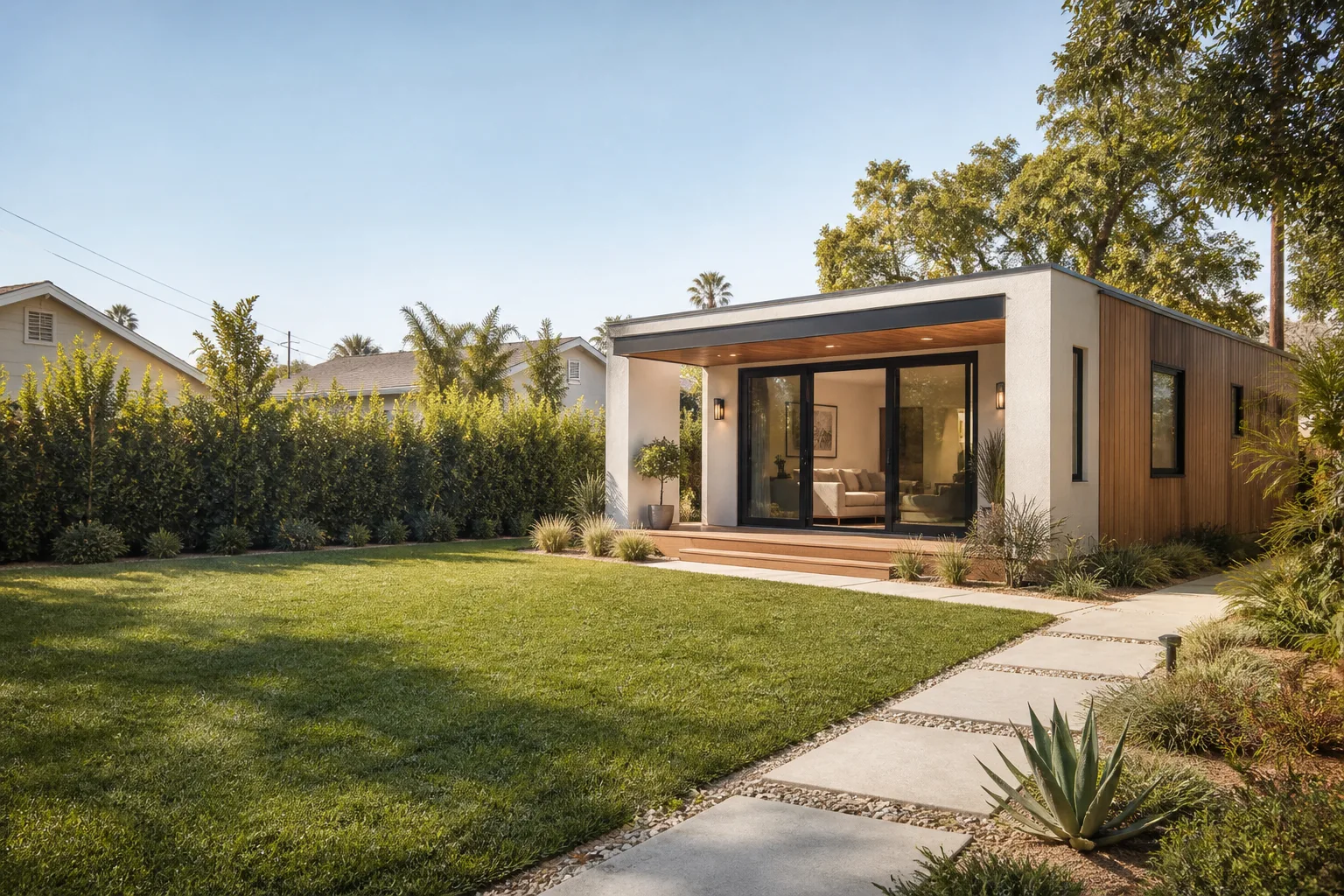
Prefab, modular, panelized, kit, site-built. The vocabulary gets loose fast, and in Los Angeles the terms carry real permitting and cost consequences. A prefab ADU is built in a factory, delivered to your lot on a truck, and craned or rolled into place. A modular ADU is a subset of prefab, built in sections that get assembled on site. A site-built ADU is framed, sheathed, roofed, and finished the conventional way, by a contractor’s crew on your property.
Why does this matter in LA? Because the city’s Department of Building and Safety (LADBS) treats each path differently for plan check and inspection sequencing, and because your lot geometry may make the decision for you before you ever pick a brand. Many Los Angeles lots in neighborhoods like Silver Lake, Echo Park, and the flats of Inglewood have narrow side yards, steep grades, or overhead power lines that make crane delivery impractical or impossible. We’ve seen homeowners fall in love with a factory built unit only to learn that a 42 foot flatbed truck cannot physically make the turn onto their street.
Prefab brands worth knowing in Los Angeles include Abodu, which makes a 340 and a 500 square foot studio and one-bedroom unit with a recognizable California design, Cover, which designs and builds custom panelized units using steel framing, and Dvele, a higher end modular line with a focus on energy performance and whole home integration. Each has a different delivery footprint and a different set of foundation requirements, which we’ll get into below. If you are also weighing a garage conversion over a detached unit, our ADU Builders in Los Angeles page covers that comparison in detail.
The Line-Item Comparison: Prefab Quote vs. Site-Built Bid
The single biggest mistake Los Angeles homeowners make when comparing ADU brands is holding a prefab “base price” up against a site-built “all in” estimate. For help finding the right builder, read The Complete ADU Builders Guide for Los Angeles Homeowners. They are not the same number. Here is how to force an apples-to-apples comparison by looking at the line items each quote must include.
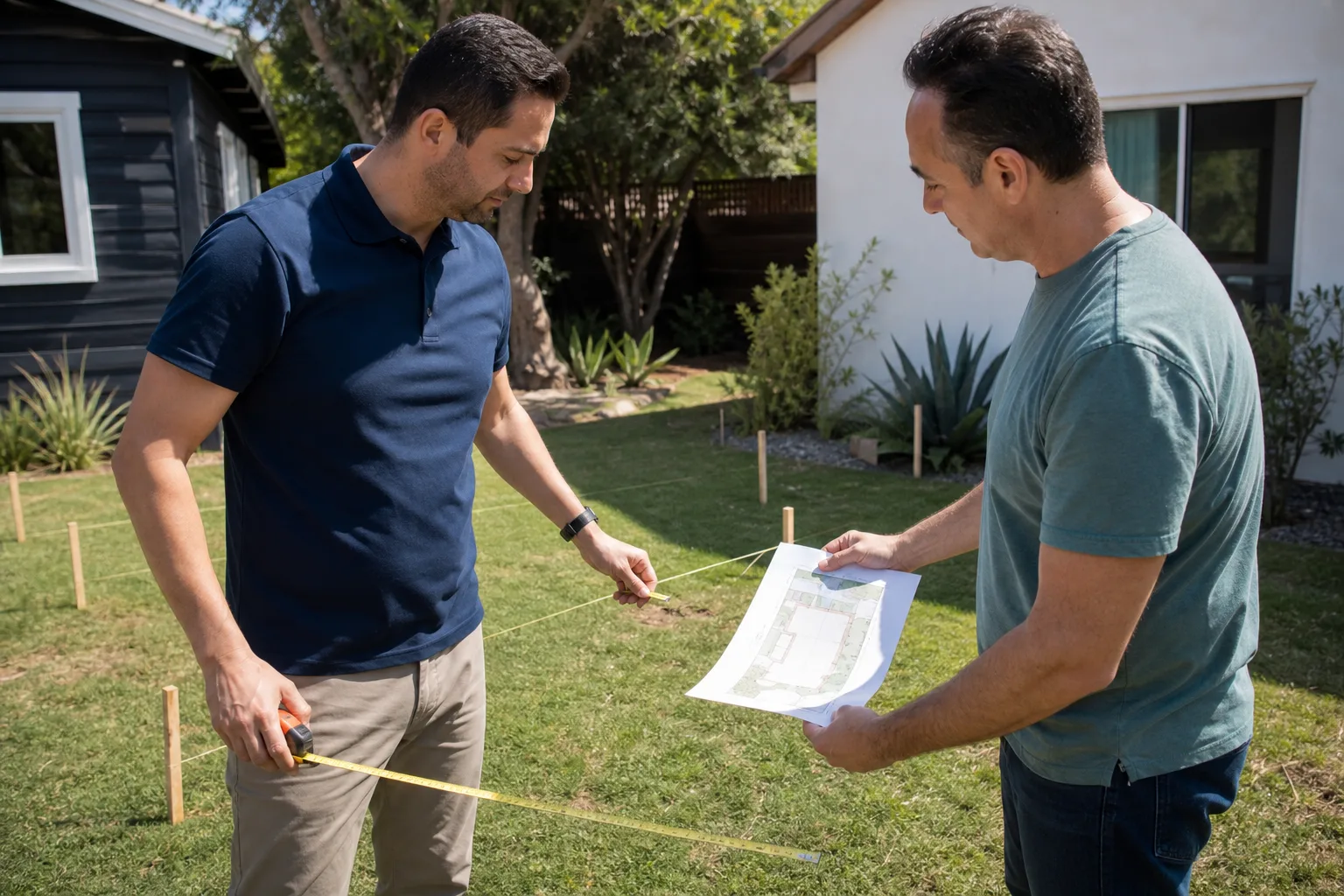
A fair comparison requires both quotes to list these items separately, in writing:
- Design and engineering including structural calculations stamped by a California licensed engineer for LADBS plan check
- Permit fees and plan check fees paid to the City of Los Angeles, including any school district fees, which in LA can exceed $4,000 for an ADU
- Foundation system whether slab on grade, raised perimeter, piers, or helical piles, including excavation and spoils removal
- Utility connections from the new unit to the sewer lateral or septic, water main, electrical panel, and any trenching across your yard
- Site work including grading, drainage, retaining walls if your lot slopes, and demolition of any existing structure
- Delivery and crane rental for prefab, or framing labor and material delivery for site built
- Finish work including any flooring, tile, paint, trim, and appliance installation that the factory price does not include
- Solar or Title 24 energy compliance upgrades that California requires on new ADUs
In our experience with Los Angeles projects, most detached ADUs in the 400 to 600 square foot range run $180,000 to $320,000 before site work once you include all of the above. Prefab factories might quote $89,000 to $140,000 for the box alone. The gap is not a scam. It is the honest cost of the site work that every ADU requires regardless of who builds the box. The failure is in the marketing, not the math.
When Sutton ADU Builders prices an ADU, every homeowner receives a written price before any work begins. No surprise invoices, no scope creep passed silently to the bill. That is the only way a comparison between a prefab brand and a site built path can be trusted. We are a Home Addition Contractor in Los Angeles that works with both paths, so our pricing conversations stay honest about where the money goes.
The Permit Accountability Question: Who Is the Contractor of Record?
Here is the question that most buyers never think to ask, and it is the one that matters most when something goes wrong: who is the contractor of record on the building permit for my ADU?
In Los Angeles, the contractor of record is the licensed entity whose name appears on the permit application filed with LADBS. That entity is legally responsible for the work passing inspection. If the work fails inspection, the contractor of record is the one who must return to fix it. If a lien is placed on the property, it is the contractor of record who placed it.
With many prefab brands, the answer to this question is layered. The factory sells you a product. A separate general contractor pulls the permit. A third party pours the foundation. A crane company delivers the unit. If the module arrives with a defect, the factory fixes the box, but the general contractor is the one named on the permit, and the foundation and utility work are their responsibility. If any one of those parties disagrees about who should pay for a failed inspection, you are standing in the middle.
Before you sign anything, ask each ADU brand this, in writing: “Who is the contractor of record on my LADBS permit, and is that the same entity I write my check to?” If the answer is not a single, named, licensed California contractor, you have just found the gap where risk lives.
Sutton ADU Builders operates under The Threshold Standard, which means every project has a clear chain of responsibility. One written price, one contractor of record, and a 365-Day Done Right Promise covering defects in workmanship for one full calendar year from project completion. If it isn’t right, we make it right. That promise is stamped on every project in writing, not delivered as a verbal assurance.
Warranty Comparison: What the Manufacturer Covers vs. What It Doesn’t
A factory warranty on a prefab ADU sounds impressive until you read what it excludes. Most module manufacturers offer a structural warranty on the box itself, typically 5 to 10 years on the shell, sometimes 1 to 2 years on interior finishes. That is a real warranty with real value. But it covers the box, not the ground it sits on and not the pipes that feed it.
Here is the warranty gap most Los Angeles buyers discover too late:
- The foundation is poured by a local contractor, not the factory. The factory warranty does not cover it.
- Utility connections from the street or the main house to the ADU are site work. The factory warranty does not cover them.
- Flatwork, drainage, and grading are site work. Not covered by the factory.
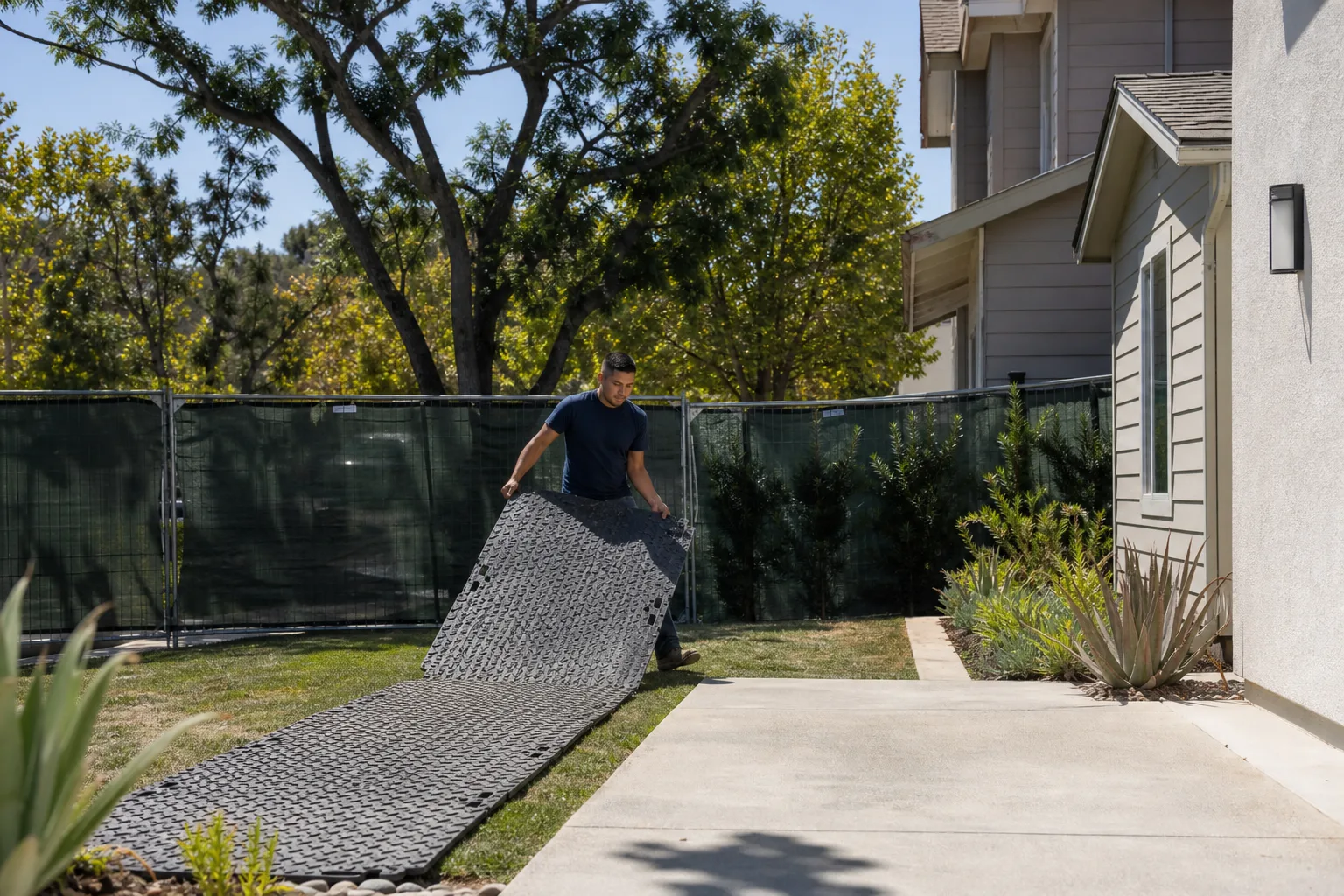
- Crane damage during delivery is typically covered by the crane company’s policy, but the claim process sits between you, the factory, and a logistics vendor.
- Water intrusion at the marriage line where two modules meet is a common point of dispute. The factory may call it a site assembly issue. The site contractor may call it a module defect.
The practical result is that a prefab ADU can have three separate warranties with three separate points of contact. That is not automatically a reason to avoid prefab. But it is a reason to get every warranty, including the site work warranty, in writing before you sign.
Our 365-Day Done Right Promise covers the whole project, not just the box. If any element of the build fails within a year, we return for a free second visit. No haggling, no fee, no finger pointing between a factory and a foundation crew. One call. One point of accountability.
Delivery and Crane Logistics on LA Lots
Some Los Angeles lots simply cannot accept a prefab module. That is not a brand problem. It is a geometry problem. Before you spend hours on a prefab configurator, walk your lot with these constraints in mind.
- Street access and turning radius. A prefab module rides on a flatbed that can be 40 to 60 feet long and 12 to 14 feet wide. If your street is narrow or has parked cars on both sides, the truck may not be able to position for the crane. This is common in older hillside neighborhoods like Mount Washington and parts of Hollywood Hills.
- Overhead utility lines. LADWP power lines cross many Los Angeles streets. A crane cannot operate within 10 feet of energized lines without a utility shutdown and flagging crew, which adds cost and scheduling time. Some lots have no safe crane position at all.
- Setback constraints. A setback is the required gap between your new structure and the property line. LA ADUs typically have a 4 foot side and rear setback requirement, though some zones allow 0 foot for conversions. If your usable buildable area is 18 feet wide and the module is 16 feet wide with a 2 foot crane tolerance, the module may not physically fit through the side yard to the back of the lot.
- Slope and grading. Prefab modules want flat ground. Los Angeles hillside lots with a 10 percent or steeper grade typically require stepped foundations or retaining walls, which means more site work and sometimes rules out factory units entirely.
- HOA restrictions. Some LA homeowners associations have covenants that restrict construction hours, crane operation days, or the exterior appearance of a prefab unit. State ADU law preempts many HOA barriers, but delivery logistics still have to respect reasonable HOA common area rules.
If any of these constraints apply to your property, site-built construction may be the only realistic path. And that is fine. A site-built ADU in Los Angeles from a contractor who knows LADBS plan check and inspection sequences can be just as fast as a prefab order, especially given factory lead times that currently run 6 to 12 months for many brands. If you are weighing a full home expansion instead, see The Complete Home Addition Contractor Guide for Los Angeles Homeowners.
Five Questions to Ask Any ADU Brand Before Signing
Prefab or site-built, brand name known or not, these five questions will tell you more about your actual experience than any marketing page will.
- Who is the contractor of record on my permit? The answer should be a single, named, California licensed contractor. If the answer is a factory, a sales partner, or “we handle that,” keep asking until you have a name and a license.
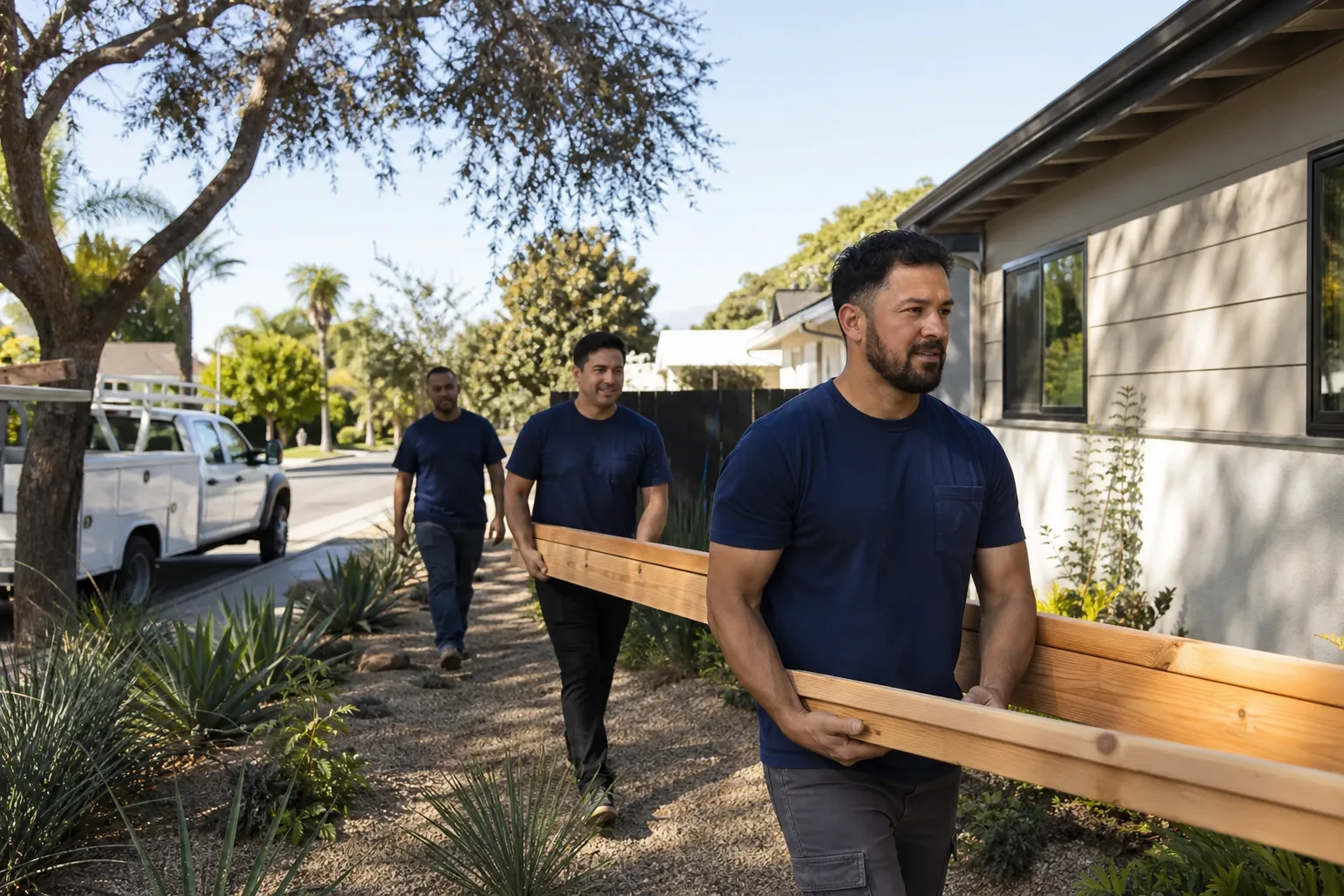
- Who will be on my property, and what is their background verification process? You are opening your gate to people you have not met. Ask for the specific process: background checks, identity verification, photos and names in advance. Under The Threshold Standard, every Sutton technician is background-checked, identity-verified, uniformed, and photo-badged. You receive the name and photo of every person coming to your property before they arrive, and they show a photo ID badge at the door. Every time. That is not a courtesy. It is a system.
- What does the written guarantee specifically cover, and for how long? “We stand behind our work” is not a guarantee. A guarantee has terms: what is covered, for how long, who decides if a repair qualifies, and what happens in a dispute. The 365-Day Done Right Promise covers defects in workmanship for one full calendar year from project completion, in writing, on every project.
- Which line items in the quote are fixed, and which are estimates? Allowances for tile, flooring, and fixtures are common in ADU contracts and can swing by thousands of dollars. Ask which numbers are locked and which can move. Sutton provides a written price before any work begins, with no surprise invoices and no scope creep passed silently to the bill.
- What happens after project completion if something fails? Every project has a punch list and eventually a moment when the crew leaves. Ask what happens 90 days later when a door sticks or a drain backs up. If the answer is “call the warranty department,” ask whose warranty department and how long you will wait. The free second visit built into our promise is part of why we answer this question before you ask it.
Common Mistakes to Avoid
- Comparing a prefab base price to a site-built all-in price. You are comparing the cost of a box to the cost of a home. Force both quotes into the same line-item format before you decide.
- Assuming the factory warranty covers the whole project. It covers the module. Foundation, utilities, and site work are separate. Get every piece in writing.
- Not checking street access for crane delivery before paying a design deposit. Los Angeles street width, power lines, and hillside grades rule out prefab on many lots. Check before you commit.
- Choosing a brand before choosing a contractor. The brand gets the factory attention. The contractor of record gets the permit and the liability. Both matter, and the contractor is the one who will stand in your yard.
- Skipping the question about who comes to your property. You would not hand a house key to a stranger. Ask how the crew is vetted and what verification you will see before they arrive.
- Believing that a guaranteed low price is the same as a fixed price. A low number with allowance clauses and change orders is an estimate wearing a costume. A fixed written price is a contract.
When to Call a Professional
Call a professional when you have a real lot and a real budget, not just a browser tab full of configurators. An ADU is a construction project on your property, with a foundation, utilities, and a permit. If you are weighing prefab against site built, a conversation with a contractor who has priced both paths in Los Angeles will save you more money than another hour of online research will. Sutton ADU Builders offers free estimates in Los Angeles. Call (472) 248-8213 to schedule yours. We are also a Room Addition Contractor in Los Angeles for homeowners extending the main house rather than adding a detached unit.
Frequently Asked Questions
A prefab ADU in Los Angeles typically costs $180,000 to $320,000 once you include the factory module, foundation, utility connections, permits, delivery, and site work. The factory “starting at” price of $89,000 to $140,000 covers the box only. Call (472) 248-8213 for an exact quote on your lot, which we provide in writing before any work starts.
We have experience with Abodu, Cover, Dvele, Mighty Buildings, Boxabl, and Plant Prefab, plus Tuff Shed conversions and James Hardie exterior systems. That means we can give you honest guidance on which product line fits your lot, budget, and delivery constraints rather than steering you to one factory.
The contractor of record pulls the permit with LADBS. That is the licensed entity whose name appears on the permit application. Before signing with any ADU brand, ask who the contractor of record will be and whether it is the same entity you are paying. If those two names differ, you have a layer of accountability risk.
No. A prefab manufacturer’s warranty covers the factory built module, not the foundation, utility connections, grading, or drainage. That site work is covered by the contractor who performed it, or it is not covered at all. Get every warranty in writing before you sign.
No. Narrow streets, overhead LADWP power lines, steep grades, tight setbacks, and HOA delivery restrictions can all rule out crane delivery. Check street access and crane clearance before you pay a design deposit on a factory unit.
The 365-Day Done Right Promise is our written guarantee covering defects in workmanship for one full calendar year from project completion. If the work is not right within that year, Sutton makes it right, including a free second visit if any element of the build fails. No haggling, no fee. Call (472) 248-8213 to talk through your ADU plans, and we will provide a free written estimate.
The Bottom Line
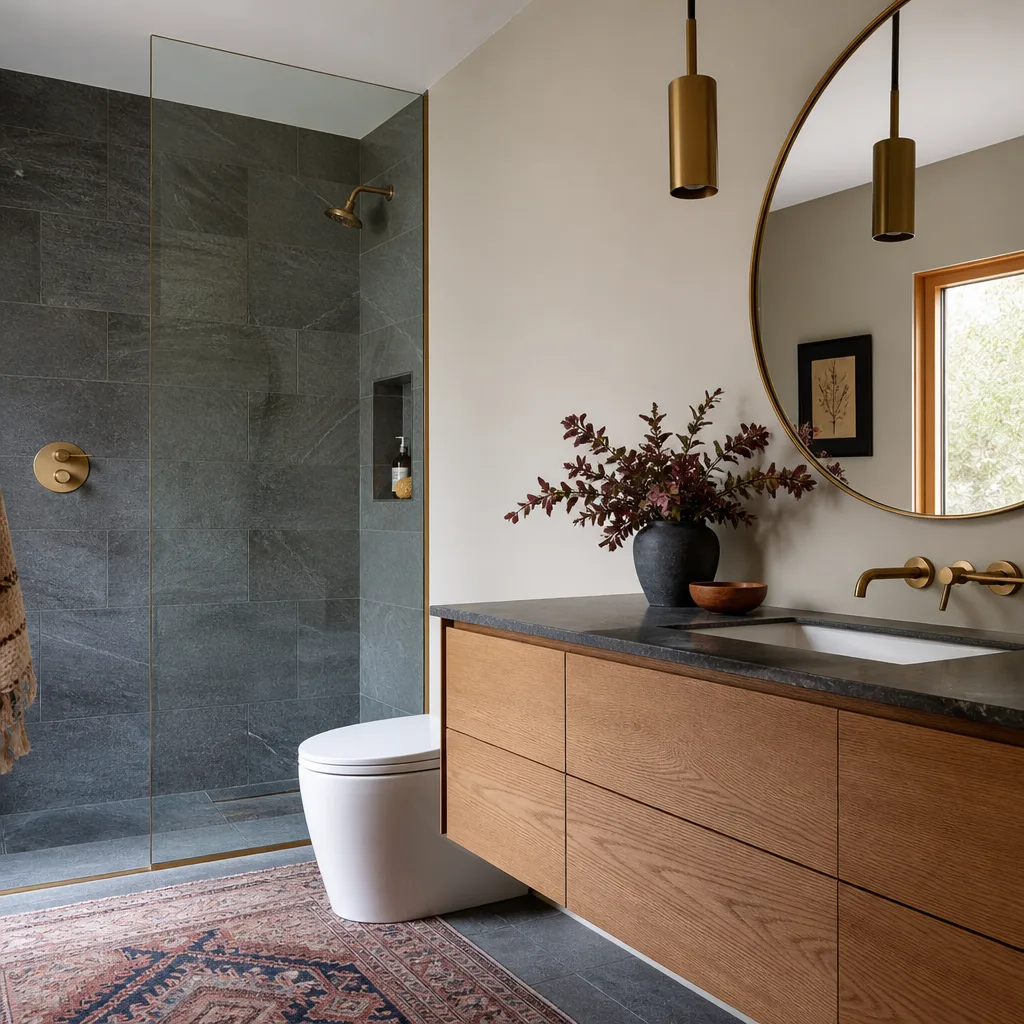
The right ADU brand for your Los Angeles property is the one that gives you a written, line-item price, names a single contractor of record, states its warranty terms in plain English, and tells you exactly who will be standing in your yard before they arrive. Prefab brands like Abodu, Cover, and Dvele make good boxes. The question is who makes good on the foundation, the utilities, the permit, and the first year of living in the finished unit. Compare the two paths with the same line items, ask the five questions, and let the answers decide. Start with a free estimate from Sutton ADU Builders home. Call (472) 248-8213.
Written by Miles Hartwell, Owner at Sutton ADU Builders, serving Los Angeles since 2006. Browse more guides & resources on ADU planning and construction.